Christianity
January 1, Texas Executes Killer After Supreme Court Rejects Last-Minute Plea

Wyatt’s Take
- Texas carried out justice for a convenience store clerk murdered in cold blood during a robbery.
- The Supreme Court refused to stop the execution, showing that claims about drug problems will not block justice.
- The victim’s family waited over two decades for closure while lawyers tried every delay tactic possible.
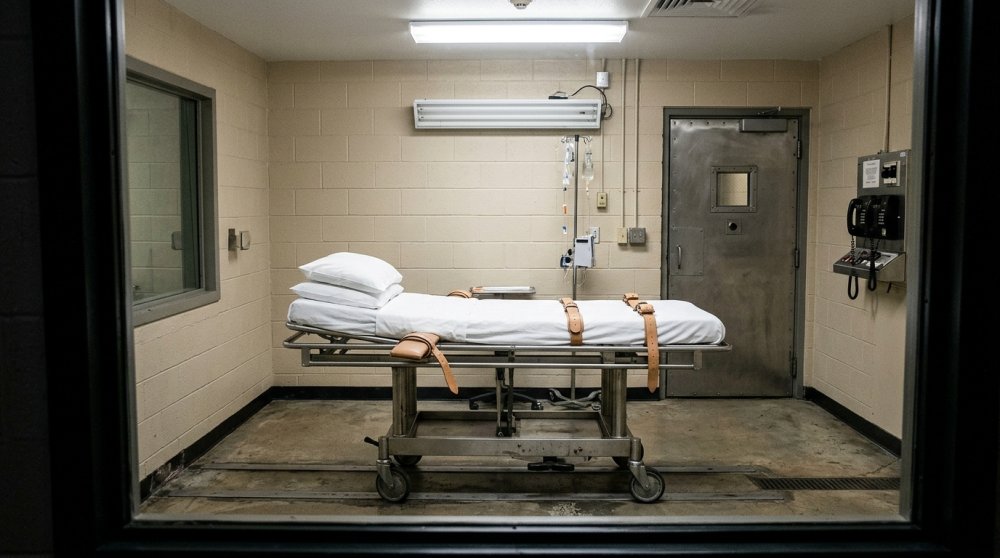
Texas executed a man convicted of killing a convenience store clerk during a robbery Wednesday evening after the Supreme Court declined to halt the execution. The man was sentenced to death for the 2000 killing of 42-year-old Vickie Swartout in Silsbee, Texas.
Before the execution, attorneys tried to stop it by pointing to a failed execution attempt in Tennessee last week. They argued the same drug could cause similar problems.
“Texas should not be eager to follow in Tennessee’s footsteps; a stay would keep that from happening,” Howard’s attorneys argued in their filing.
The Supreme Court rejected the emergency appeal without explanation. Justice Ketanji Brown Jackson was the only justice to publicly dissent.
The Texas Court of Criminal Appeals had already rejected two requests to stop the execution based on concerns about the drug. As the pentobarbital began taking effect Wednesday evening, the man took a couple of breaths and gasped.
He then began making snoring sounds, coughed and resumed the snoring sounds, which grew progressively quieter. His movements reportedly stopped entirely after around 30 seconds, and he was pronounced dead 19 minutes later.
Attorneys also said they had requested information about the dose of pentobarbital the Texas Department of Criminal Justice planned to use to carry out the execution. The concerns stemmed in part from the Tennessee execution attempt during which the inmate reportedly survived two doses of pentobarbital.
The execution took place the same day a Tennessee judge granted a request from attorneys to order the Tennessee Department of Correction to preserve evidence connected to the failed execution attempt. The man was convicted of capital murder in the killing of Swartout, who was shot once in the chest during a convenience store robbery.
He was 20 years old at the time and took $114 from the cash register during the robbery. Attorneys also argued before the Supreme Court that the execution should be halted because he was intellectually disabled. The state said his attorneys had not presented evidence establishing that he met the legal criteria for intellectual disability.
Wyatt Matters
Middle America believes in law and order, swift justice for violent criminals, and protecting victims’ families from endless court delays that drag on for decades.


-
 Entertainment3 years ago
Whoopi Goldberg’s “Wildly Inappropriate” Commentary Forces “The View” into Unscheduled Commercial Break
-

 Entertainment3 years ago
‘He’s A Pr*ck And F*cking Hates Republicans’: Megyn Kelly Goes Off on Don Lemon
-

 Featured3 years ago
US Advises Citizens to Leave This Country ASAP
-
 Featured3 years ago
Benghazi Hero: Hillary Clinton is “One of the Most Disgusting Humans on Earth”
-

 Latest News3 years ago
Nude Woman Wields Spiked Club in Daylight Venice Beach Brawl
-
 Featured3 years ago
Fox News Calls Security on Donald Trump Jr. at GOP Debate [Video]
-

 Entertainment3 years ago
Comedy Mourns Legend Richard Lewis: A Heartfelt Farewell
-

 Latest News3 years ago
Supreme Court Gift: Trump’s Trial Delayed, Election Interference Allegations Linger