Self-Reliance
January 1, VINDICATED: Why AI Could Save America’s Forgotten Communities

Wyatt’s Take
- A Chicago pastor building a trades center feared AI would make his work obsolete — then discovered the AI boom requires massive construction and skilled workers
- Tech giants will spend $700 billion this year building AI facilities, creating desperate demand for electricians, plumbers, HVAC workers, and construction trades
- America needs 140,000 new skilled tradespeople by 2030 just for AI infrastructure — median pay $62,000-$72,000, enough to break the cycle of poverty
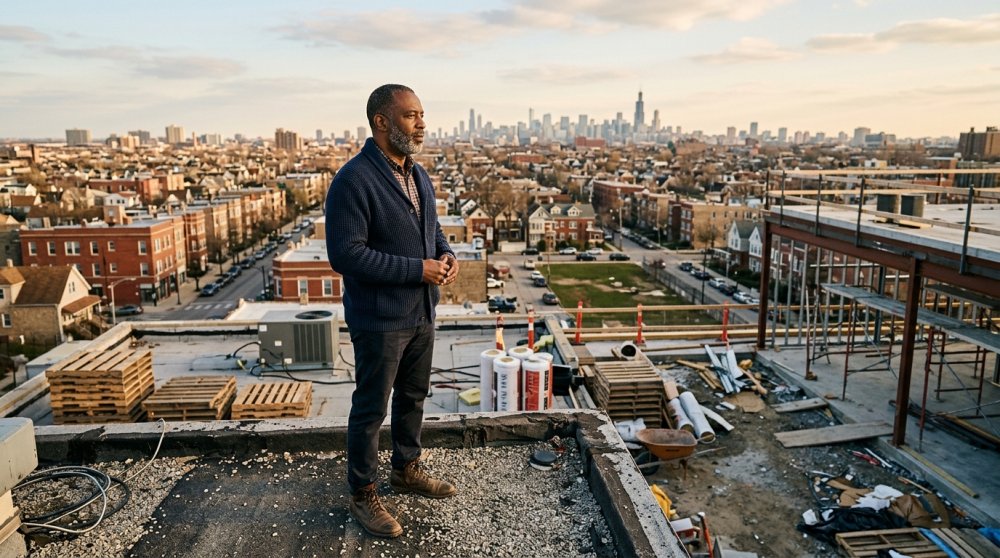
A South Side Chicago pastor spent years building a massive trades training center to rescue neighborhood youth from poverty and violence. Then panic set in. Had artificial intelligence made his dream obsolete before it even opened?
Pastor Corey Brooks walked through the beautiful new Leadership and Economic Opportunity Center, past rooms equipped for woodworking, plumbing, electrical work, HVAC, and fiber optics. The equipment was state-of-the-art. The promise was real.
But was it already outdated?
“I admit I felt this panic deep within my soul,” Brooks said. “Was I handing my youth a caveman tool when they needed the latest technology?”
The community around the center tells a harsh story. Walgreens and McDonald’s fled. Buildings sit boarded up.
There are no grocery stores — it’s a true food desert where fried food is often the only quick option. Homeownership rates on some blocks run as low as 14% to 24%. Poverty rates hit 40% to 51% depending on the block.
Brooks didn’t build this center to create another empty shell on the South Side. He built it as a symbol of hope. But in an AI world, would traditional trades matter?
Then he met a young construction worker finishing up a job at the center.
“After thanking him for his contribution, I asked him where he was going next,” Brooks recalled. “He explained that he had secured work for a major AI manufacturing facility in a nearby township.”
That’s when it clicked. There’s a building boom.
While the media obsesses over white-collar workers losing jobs to AI, they’re missing the massive opportunity right in front of us. AI doesn’t build itself.
Data centers, power grids, fiber networks, advanced manufacturing facilities — all of it requires electricians, HVAC technicians, construction workers, plumbers, pipefitters, and fiber technicians. For years.
Nvidia CEO Jensen Huang called this the largest infrastructure buildout in human history.
Major tech companies will spend roughly $700 billion this year alone on AI-related facilities. That number will only grow as more Americans adopt AI technology.
Hundreds of data centers are under construction or planned across the United States right now. One analysis estimates America will need 130,000 to 140,000 additional skilled trades workers by 2030 just to support AI infrastructure — before accounting for housing, hospitals, and energy projects competing for the same talent.
The Bureau of Labor Statistics projects electrician employment to grow 9% from 2024 to 2034 — much higher than average. That translates to about 81,000 openings each year.
HVAC mechanics and installers are projected to grow 8%, creating roughly 40,100 openings annually. Plumbers, pipefitters, and steamfitters are expected to see about 44,000 openings per year.
In May 2026, the construction industry reported approximately 298,000 job openings. The Associated Builders and Contractors estimates the industry needs roughly 349,000 net new workers in 2026 alone.
In data center hotspots, skilled trades wages already carry a 7% premium overall, with plumbers and pipefitters seeing gains as high as 20%.
The median annual pay for these jobs sits around $62,000 to $72,000. That may not sound like much to coastal elites, but for a kid who has known nothing but generational poverty, this is the way out.
“Yes, one job like this can end that vicious, soul-sucking cycle that has kept so many of us stuck in the permanent Black underclass,” Brooks said. “These careers build assets, they restore dignity and pride, and they give people a stake in America.”
Brooks was part of the Great Migration himself — the very tail end of it. His mother and her husband moved from a tiny Tennessee town to Muncie, Indiana, for better jobs in industrial factories.
“When I visited them and later moved to Indiana, I was exposed to a world of more opportunities,” he said.
Now he sees that cycle coming back around.
“I’m determined more than ever to push my youth onto this AI opportunity wagon,” Brooks said. “As they say, this is their chance to strike it rich in America.”
Wyatt Matters
The elites told us AI would destroy working-class jobs. Turns out it’s creating the biggest construction boom in human history — and it needs American tradespeople to build it. A Chicago pastor betting on old-fashioned skills training just discovered he’s positioned his community for the economic opportunity of a lifetime. That’s what real hope looks like, not government dependency checks.


-
 Entertainment3 years ago
Whoopi Goldberg’s “Wildly Inappropriate” Commentary Forces “The View” into Unscheduled Commercial Break
-

 Entertainment3 years ago
‘He’s A Pr*ck And F*cking Hates Republicans’: Megyn Kelly Goes Off on Don Lemon
-

 Featured3 years ago
US Advises Citizens to Leave This Country ASAP
-
 Featured3 years ago
Benghazi Hero: Hillary Clinton is “One of the Most Disgusting Humans on Earth”
-

 Latest News3 years ago
Nude Woman Wields Spiked Club in Daylight Venice Beach Brawl
-
 Featured3 years ago
Fox News Calls Security on Donald Trump Jr. at GOP Debate [Video]
-

 Entertainment3 years ago
Comedy Mourns Legend Richard Lewis: A Heartfelt Farewell
-

 Latest News3 years ago
Supreme Court Gift: Trump’s Trial Delayed, Election Interference Allegations Linger
Bret
August 26, 2026 at 8:48 am
I’m sorry. But there is a bit of a duh factor here. These AI facilities and data centers cannot build themselves. Add this to the manufacturing industry being brought back to the United States by Trump. These plants cannot be built by computers. And they will need people on the line during the manufacturing process. The can not be completely automated. We will see the US employment boom soon as long as democrats continue to lose important elections. Trump is resetting this whole country.