Self-Reliance
January 1, One Simple Summer Rule Is Reversing the Screen Addiction Epidemic

Wyatt’s Take
- Parents are ditching screens and sending kids outside with zero structure — and the results are stunning
- Unstructured outdoor time restores attention spans, builds resilience, and reconnects children with the natural world
- Just one hour a day outside is reversing the anxiety and fragility plaguing an entire generation
Summer is coming. Do you know where your children are?
Chances are you do because they haven’t left your sight. They are sitting at home, staring at a screen, scrolling through TikTok videos, texting friends, and gaming the hours away.
As researchers have documented at length, most especially in Jonathan Haidt’s “The Anxious Generation,” screens have contributed to an anxiety epidemic, fractured attention spans, and increasing emotional fragility in American children. The answer to this crisis is not merely to cut down on screen time, but to replace screen hours with tangible, immersive, unstructured time in the natural world.
Author Richard Louv coined the term “nature-deficit disorder” to describe how less time in nature harms modern-day children’s health, development, and wellbeing. But it’s not enough to simply get kids outside.
Children don’t need to spend another week at an organized wilderness camp or to enroll in an additional sport. This only takes children out of their digital box to put them into a more physical one.
What children most need this summer is, well, nothing.
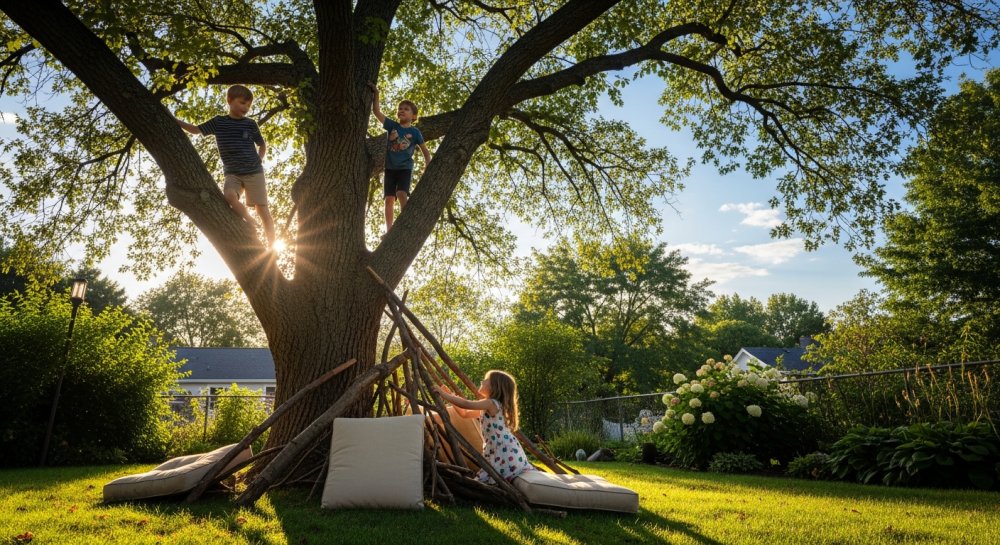
Every day this summer, have your kids spend at least one hour outside. No structure. No agenda.
No goal. Let them climb trees, make up games, roll in grass, and be bored.
If they do that, here’s what will happen.
First, they will slowly recover their attention spans. In Haidt’s research, he found a clear link between social media use on the one hand and fragmented attention and reduced sustained focus on the other.
While extended screen time stunts the ability to focus, being outside does the opposite. Sometimes, this starts with boredom.
Unable to satisfy the urge for distraction with a swipe of the finger, kids outside are encouraged to think. They will notice details they had been too distracted to see before.
They will build worlds and invent games from their own imaginations instead of accepting the pre-packaged slop of the internet.
The brick wall they used to ignore outside becomes the rampart of a fortress. Never-before-noticed outdoor furniture covers become the perfect hideaway.
The spiderweb in the side yard is no web at all, but an enchanted passageway only the most courageous dare cross.
In days, you’ll notice the once glossy-eyes of your phone-addicted child become full of life.
Second, unstructured time outdoors yields resiliency and independence. Too often in our suburbanized lives, we have professionalized play.
Kids are directed to sports, games, and activities with rules they did not create, structures to which they must conform, and parents and coaches always watching. This overly structured life may shield children from present difficulties or even teach them valuable lessons, but it robs them of opportunities to think outside the box and traverse challenges on their own in the long term.
When kids are outside, they’re exposed to the elements. They run and they fall.
They get dirty and they scrape their knees. Then, they learn to get back up and keep running.
They get a little turned around and have to remember which way home is. They take risks, learn with every misstep, and begin to put experiential knowledge into practice.
Without parents watching, they feel free to make mistakes. And they also know if they do, they will have to try to fix them themselves.
In short, they learn to become young men and women.
Finally, children who spend time outdoors learn to love the natural world around them. Kids who grow up hiking, fishing, and gazing at the mountains learn that the greatest trees were never planted, the best roads aren’t paved, and the comfort of air conditioning can never beat the beauty of the open sky.
But you don’t need wilderness to spark wonder. Even in suburbia, a backyard, community garden, or neighborhood park can teach kids to love creation.
And if you decide to drive outside the city for some extra breathing room, all the better. No matter the method, know that kids who experience God’s creation are more likely to be good stewards of it.
One hour outside: That’s all it takes. So this summer, offer your kids the freedom to play without a plan.
Give them room to experience life outdoors. Let’s raise a generation that can reconnect with the natural world and just be kids again.
Why It Matters
Before smartphones turned childhood into a crisis, kids spent summers doing what came naturally — running around outside until the streetlights came on. This isn’t about going backward; it’s about remembering what made us strong in the first place. When children learn resilience by falling off a bike instead of scrolling through endless feeds, they grow into adults who can handle real challenges. That’s the kind of generation America needs — one that can think for itself, solve its own problems, and appreciate the blessings God gave us in creation.


-
 Entertainment3 years ago
Whoopi Goldberg’s “Wildly Inappropriate” Commentary Forces “The View” into Unscheduled Commercial Break
-

 Entertainment3 years ago
‘He’s A Pr*ck And F*cking Hates Republicans’: Megyn Kelly Goes Off on Don Lemon
-

 Featured3 years ago
US Advises Citizens to Leave This Country ASAP
-
 Featured3 years ago
Benghazi Hero: Hillary Clinton is “One of the Most Disgusting Humans on Earth”
-

 Latest News3 years ago
Nude Woman Wields Spiked Club in Daylight Venice Beach Brawl
-
 Featured3 years ago
Fox News Calls Security on Donald Trump Jr. at GOP Debate [Video]
-

 Entertainment3 years ago
Comedy Mourns Legend Richard Lewis: A Heartfelt Farewell
-

 Latest News3 years ago
Supreme Court Gift: Trump’s Trial Delayed, Election Interference Allegations Linger