Breaking News
January 1, SHOCKING AI Takeover in California Prisons — Fate Decided Behind Closed Doors

Wyatt’s Take
- California deployed secret AI systems to make life-or-death decisions about prisoners without any public disclosure or oversight
- Algorithms now determine parole eligibility and classification with zero transparency while taxpayers stay in the dark
- Big Tech and woke bureaucrats partnered to hand over justice system control to machines — accountability vanished overnight
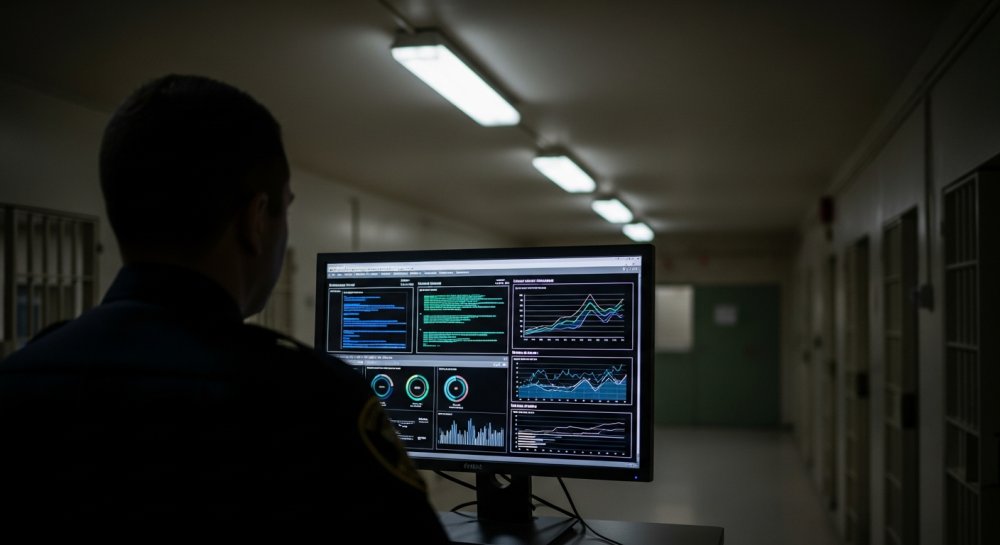
California quietly handed over control of its prison system to artificial intelligence without telling a soul. State officials rolled out AI-powered decision-making tools that now determine which inmates get released early and how prisoners get classified — all behind closed doors.
The secretive program uses algorithms to assess “high-risk individuals” and make recommendations that directly impact sentencing and parole outcomes. No public hearings. No legislative debate. Just unelected bureaucrats and Silicon Valley programmers rewriting the rules of justice.
Documents obtained through public records requests reveal the California Department of Corrections partnered with tech companies to implement these systems across multiple facilities. The AI analyzes inmate data to predict future behavior and assigns risk scores that correctional officers use to make critical decisions.
Privacy advocates and criminal justice reform groups erupted when they discovered the scope of the program. Civil liberties organizations argue the technology operates as a black box — nobody knows how it reaches its conclusions or whether built-in biases skew results against certain groups.
“These algorithms are making determinations about people’s freedom without any transparency or accountability,” one criminal justice researcher told investigators. “We have no idea what data feeds into these systems or how they weight different factors.”
The state refused to disclose which companies built the software or how much taxpayer money funded the contracts. Officials claimed proprietary concerns prevented them from sharing technical details about how the AI reaches its decisions.
California isn’t alone in experimenting with automated justice. Several states deployed similar risk-assessment tools in recent years, often with disastrous results. Studies found some algorithms replicated historical biases and recommended harsher treatment for minority defendants.
Critics point out that letting machines make parole decisions removes human judgment from a process that demands nuance and context. A computer can’t account for rehabilitation efforts, family circumstances, or genuine remorse — it only processes data points.
The program expanded rapidly with minimal oversight. What started as a pilot project in a handful of facilities now influences decisions affecting thousands of inmates across California’s massive prison system.
“This is about control, not safety,” warned a former corrections officer familiar with the implementation. “They want automated systems they can’t be held accountable for when things go wrong.”
State lawmakers claim they had no knowledge of the AI deployment until journalists started asking questions. Several legislators now demand hearings to investigate who authorized the program and what safeguards exist to prevent abuse.
The secrecy surrounding California’s AI justice experiment raises fundamental questions about government accountability. When unelected officials partner with private tech companies to make decisions that affect constitutional rights, citizens deserve full transparency.
Prison reform advocates worry the technology will accelerate a two-tiered system where algorithms determine outcomes for the poor while wealthy defendants still get human judges. The digital divide extends even behind bars.
California’s prison population includes tens of thousands of inmates serving sentences for non-violent offenses. AI-driven risk assessments could keep them locked up longer based on factors they can’t challenge or even see.
Tech companies developing these systems insist their algorithms promote fairness by removing human emotion from the equation. But critics counter that justice requires emotion — compassion, mercy, and the ability to recognize when someone deserves a second chance.
The controversy explodes as California faces mounting pressure to reduce its prison population and address systemic inequalities in its criminal justice system. Using secret AI tools to make those decisions undermines public trust at the worst possible moment.
“We’re supposed to believe faceless algorithms will be more fair than judges and parole boards,” one skeptical legislator said. “But nobody can explain how they work or who programmed them.”
As the scandal unfolds, families of inmates demand answers about whether AI already influenced their loved ones’ cases. The state refuses to provide individualized information about which decisions involved algorithmic recommendations.
Wyatt Matters
When government bureaucrats partner with tech giants to replace human judgment with secret algorithms, regular Americans lose every time. Justice demands transparency and accountability — values that disappear the moment we let machines make decisions affecting people’s lives and freedom without any way to challenge or understand how those choices get made.


-
 Entertainment3 years ago
Whoopi Goldberg’s “Wildly Inappropriate” Commentary Forces “The View” into Unscheduled Commercial Break
-

 Entertainment3 years ago
‘He’s A Pr*ck And F*cking Hates Republicans’: Megyn Kelly Goes Off on Don Lemon
-

 Featured3 years ago
US Advises Citizens to Leave This Country ASAP
-
 Featured3 years ago
Benghazi Hero: Hillary Clinton is “One of the Most Disgusting Humans on Earth”
-

 Latest News3 years ago
Nude Woman Wields Spiked Club in Daylight Venice Beach Brawl
-
 Featured3 years ago
Fox News Calls Security on Donald Trump Jr. at GOP Debate [Video]
-

 Entertainment3 years ago
Comedy Mourns Legend Richard Lewis: A Heartfelt Farewell
-

 Latest News3 years ago
Supreme Court Gift: Trump’s Trial Delayed, Election Interference Allegations Linger
Amy M
June 16, 2026 at 7:25 pm
Holy cow ! This is outrageous. Absolutely outrageous. I will not be judged by a machine. The people that put this system in place and the people who designed and sold it ARE MONSTERS.