Breaking News
January 1, EXPOSED: Wall Street Giant Quietly Drains Staggering Water Supply From Georgia Town

Wyatt’s Take
- Private equity powerhouse Blackstone’s data center operation sucked down massive water reserves from a Georgia suburb while locals fought drought conditions and skyrocketing utility bills
- Corporate America’s AI infrastructure boom is bleeding small-town resources dry — all while residents shoulder the cost and get nothing in return
- This is exactly what happens when Wall Street elites prioritize billion-dollar tech operations over the working families who built these communities
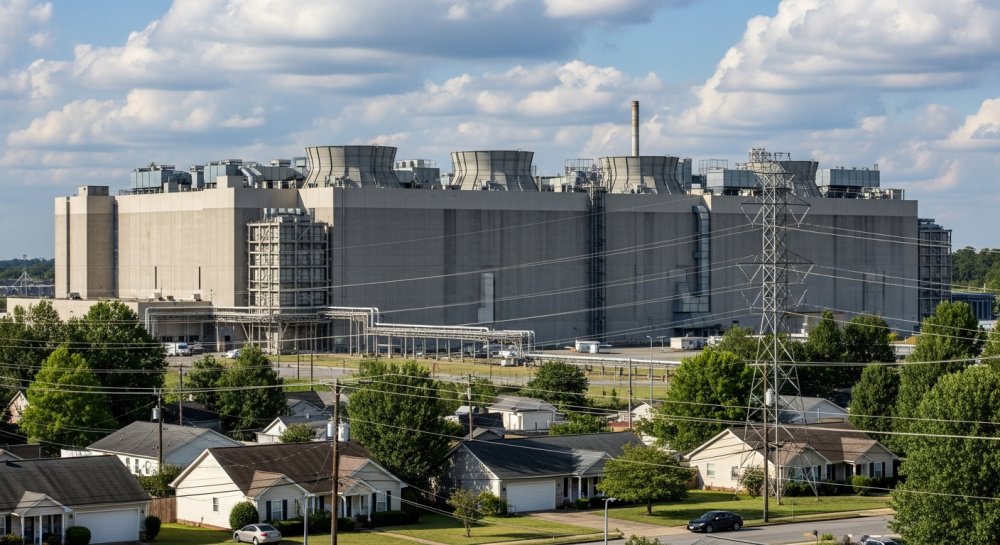
A Blackstone-owned data center has pulled more than 30 million gallons of water from the supply system serving an Atlanta suburb, according to a new investigation that’s raising serious questions about who pays the price for Big Tech’s endless expansion.
The QTS Realty Trust facility in Douglasville, Georgia — purchased by Blackstone in a $10 billion deal — has become the single largest water customer in the area. Local residents are now connecting the dots between their own water struggles and the massive corporate operation in their backyard.
“They are absolutely draining us,” one Douglasville resident told reporters investigating the water usage patterns.
The data center’s thirst comes at a time when Georgia communities have faced water restrictions and residents have seen their utility costs climb. Meanwhile, the facility processes endless streams of data for corporate clients, many tied to artificial intelligence operations that require constant cooling.
Blackstone acquired QTS in 2021 as part of its aggressive push into the data center market. The investment firm, led by billionaire Stephen Schwarzman, has built an empire on these facilities as demand for cloud computing and AI infrastructure explodes across the tech sector.
But the human cost of that expansion is becoming harder to ignore. Small towns across America are discovering that hosting these industrial-scale operations means watching their natural resources disappear into corporate balance sheets.
“The water doesn’t just vanish — it gets consumed by cooling systems that keep servers running 24/7,” explained one infrastructure analyst familiar with data center operations. “These facilities are basically small cities in terms of resource consumption, but they don’t have residential populations to show for it.”
Data centers have become critical infrastructure for everything from streaming services to financial transactions. But the industry’s explosive growth has outpaced local regulations in many areas, leaving communities scrambling to understand the long-term impact on their water supplies, electrical grids, and quality of life.
Georgia officials have promoted the state as a prime location for tech investment, offering tax incentives and streamlined permitting. Those deals often look good on paper for economic development offices, but residents are left holding the bag when infrastructure gets strained.
The Douglasville situation mirrors conflicts emerging nationwide. Virginia, Texas, and Arizona have all seen battles between data center operators and local communities over water rights, noise pollution, and property values.
“These companies come in promising jobs and tax revenue,” said one local government expert. “What they don’t mention is how few people actually work at these facilities and how much strain they put on existing systems that taxpayers already paid to build.”
Blackstone and QTS have not commented on the specific water usage figures. The companies typically argue that data centers are essential infrastructure and that they work within existing regulatory frameworks.
But for residents watching their wells run dry and their water bills climb, the regulatory framework isn’t the issue. The question is whether elected officials are actually looking out for the people who live there year-round, or whether they’re more interested in ribbon-cutting ceremonies with corporate executives.
Why This Matters
Working families in places like Douglasville don’t have lobbyists or billion-dollar PR firms. They just want clean water they can afford and neighbors who contribute to the community instead of draining it dry. When corporate giants can roll into town and consume resources that took generations to develop, something’s broken in how we protect local interests against Wall Street’s appetite.


-
 Entertainment3 years ago
Whoopi Goldberg’s “Wildly Inappropriate” Commentary Forces “The View” into Unscheduled Commercial Break
-

 Entertainment3 years ago
‘He’s A Pr*ck And F*cking Hates Republicans’: Megyn Kelly Goes Off on Don Lemon
-

 Featured3 years ago
US Advises Citizens to Leave This Country ASAP
-
 Featured3 years ago
Benghazi Hero: Hillary Clinton is “One of the Most Disgusting Humans on Earth”
-

 Latest News3 years ago
Nude Woman Wields Spiked Club in Daylight Venice Beach Brawl
-
 Featured3 years ago
Fox News Calls Security on Donald Trump Jr. at GOP Debate [Video]
-

 Entertainment3 years ago
Comedy Mourns Legend Richard Lewis: A Heartfelt Farewell
-

 Latest News3 years ago
Supreme Court Gift: Trump’s Trial Delayed, Election Interference Allegations Linger
Jon
May 11, 2026 at 6:05 pm
Data centers will suck the life out of America
Steve
May 12, 2026 at 10:39 am
As massive as these centers are I don’t think any country can maintain very many of them for very long. They are a massive drain on ALL resources.
Cynthia Sánchez
May 28, 2026 at 12:53 pm
Well, send article and comments to Trump, who’s gung-ho on AI, and likely investing in it.