Christianity
January 1, Scammers Know Your Address. Here Is What They Can Really Do

Wyatt’s Take
- Basic personal details can still open the door to convincing scams that target working families.
- Protecting your phone, mail, and family stories stops criminals from turning public info into real harm.
- Simple steps like freezing credit and hanging up on strangers keep hard-earned money safe in the heartland.
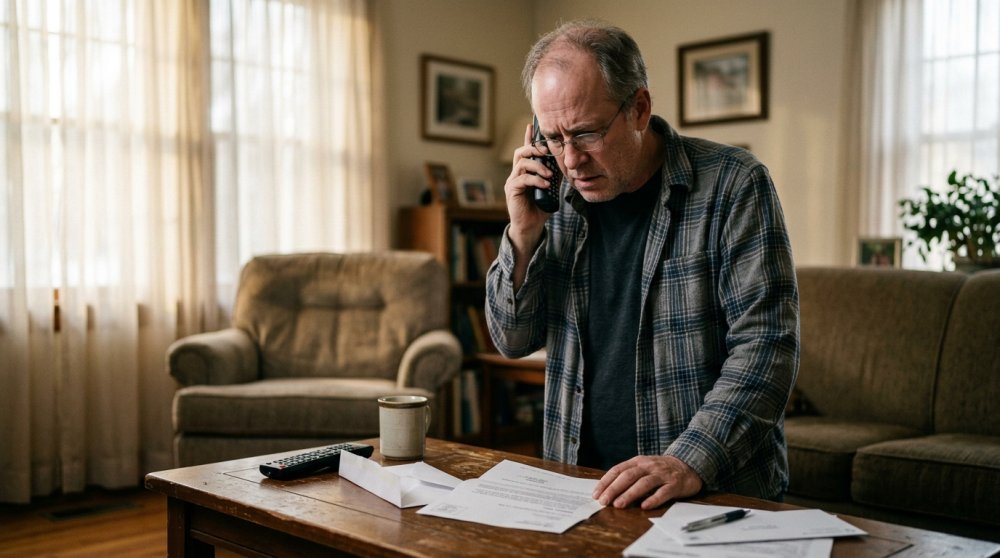
If a stranger suddenly reads your full name, phone number, and home address over the phone, it can feel like your privacy has been stripped away.
Those three facts alone rarely let a crook drain your bank account or open big loans in your name. Yet they give scammers a believable starting point that can lead straight to the rest of your life savings.
Public records, old phone books, and data brokers already sell your address and number to anyone willing to pay. Criminals mix that information with stolen passwords or past breaches until the story they spin sounds almost true.
Once they know where you live, scammers can mail fake bills, prize checks, or government notices that look official because they arrive at your real doorstep.
Your phone number can also be used in a SIM-swap scheme if they gather a few more details elsewhere. When the crook moves your number to a new device, they start receiving your two-factor codes and bank alerts.
Family-emergency scams get more dangerous too. Knowing a grandchild’s name or your street address can make a panicked call about a car wreck or arrest sound real, especially when AI voice clones join the act.
“A caller knowing something about you is not proof that the caller knows you,” warned the security expert. “Personal information should never replace independent verification.”
Another red flag pops up when the caller asks you to confirm an address or account number during the conversation. Never correct or volunteer details; end the call and dial the company yourself using a trusted number.
Simple defenses keep most attacks from succeeding. Ask your phone carrier to add a PIN on your account so numbers cannot be ported without it. Turn on app-based two-factor codes instead of text messages. Freeze your credit reports at the three big agencies so new accounts cannot be opened in your name.
Search your own name online and submit opt-out forms on people-search sites that list your address. Pick a secret family word that relatives can use if an emergency call ever comes in.
Review bank statements and credit reports every month. If something looks wrong, act fast by calling the real institutions and reporting the fraud. Identity-theft protection services can watch for misuse and help clean up the mess if it happens.
Most important, remember that real companies never demand money, passwords, or codes because a stranger already knows your street address. When pressure and urgency appear, hang up.
Wyatt Matters
Middle America families work too hard and save too long to let smooth-talking strangers walk off with their security. Locking down the basics protects the values of self-reliance and neighborly trust that still hold our communities together.


-
 Entertainment3 years ago
Whoopi Goldberg’s “Wildly Inappropriate” Commentary Forces “The View” into Unscheduled Commercial Break
-

 Entertainment3 years ago
‘He’s A Pr*ck And F*cking Hates Republicans’: Megyn Kelly Goes Off on Don Lemon
-

 Featured3 years ago
US Advises Citizens to Leave This Country ASAP
-
 Featured3 years ago
Benghazi Hero: Hillary Clinton is “One of the Most Disgusting Humans on Earth”
-

 Latest News3 years ago
Nude Woman Wields Spiked Club in Daylight Venice Beach Brawl
-
 Featured3 years ago
Fox News Calls Security on Donald Trump Jr. at GOP Debate [Video]
-

 Entertainment3 years ago
Comedy Mourns Legend Richard Lewis: A Heartfelt Farewell
-

 Latest News3 years ago
Supreme Court Gift: Trump’s Trial Delayed, Election Interference Allegations Linger