Latest News
January 1, FBI Warns: Holiday Scams Hit Inboxes Hardest

Wyatt’s Take
- Holiday season fuels a surge in online scams
- Email attacks cost Americans millions in lost money
- Working folks can fight back with smart habits
With the holidays here, crooks target everyday Americans by flooding email inboxes with fake messages. The FBI says scammers use these tricks to grab quick cash or steal sensitive information from working families.
Most people don’t realize they’ve been hit until strange charges show up on their bank statement. These criminals are quick and sneaky, often striking when folks are distracted.
The FBI’s Internet Crime Complaint Center reports that scams like fake sales, bogus auctions, and prepaid gift card rip-offs spike around this time.
One agency spokesperson said
“Americans lose more than $785 million to non-payment and non-delivery scams during the holiday cycle and the months that follow.”
Credit card fraud pushed losses up by another $199 million.
Just one click on a suspicious link can lead to malware, which may grab your passwords and drain your bank accounts. The FBI warns that scammers set up convincing websites and pay to put them at the top of search results, so people get fooled easily.
Since January 2025, there’s been a sharp rise in account takeover attacks, with more than 5,100 complaints and $262 million in related losses. These scams start with phony messages from crooks pretending to be your bank or customer service.
They pressure folks into giving up login details and codes, letting criminals lock out the real owners and empty those accounts through crypto wallets.
The FBI points out four big holiday scams: non-delivery (you pay, the package never comes), non-payment (you ship, but never get paid), auction fraud (the item isn’t what was promised), and gift card fraud (scammers make you pay with prepaid cards).
Staying safe comes down to simple steps. Don’t open links or attachments from emails or posts you didn’t expect.
Use strong antivirus programs on all your devices and never trust a message just because it looks official. If someone contacts you about your account, find the company’s real phone number yourself and call.
Be cautious with pressure tactics—if someone tries to rush you, it’s usually a red flag. Remove personal details from data broker websites, which makes it harder for scammers to craft their messages.
Two-factor authentication, strong passwords, and double-checking odd-looking web addresses all add extra protections.
Stay sharp while holiday shopping. Protect your hard-earned money by slowing down, checking twice, and refusing to let scammers take a dime more from folks like us.
Wyatt Matters
In times like these, defending our families from crooks and protecting our savings comes down to paying attention and not giving scammers an inch. When we look out for each other and stay alert, we keep our communities strong and our money right where it belongs.


-
 Entertainment2 years ago
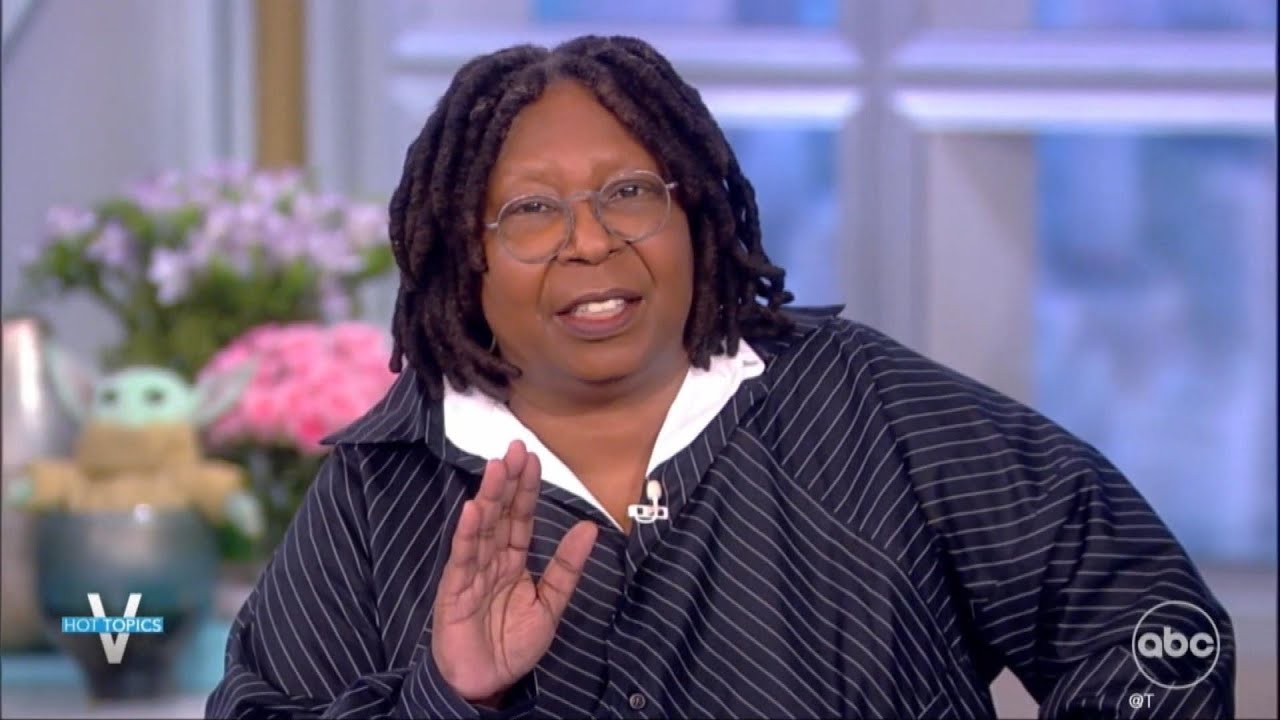
Whoopi Goldberg’s “Wildly Inappropriate” Commentary Forces “The View” into Unscheduled Commercial Break
-

 Entertainment2 years ago
‘He’s A Pr*ck And F*cking Hates Republicans’: Megyn Kelly Goes Off on Don Lemon
-

 Featured2 years ago
US Advises Citizens to Leave This Country ASAP
-
 Featured2 years ago
Benghazi Hero: Hillary Clinton is “One of the Most Disgusting Humans on Earth”
-

 Entertainment2 years ago
Comedy Mourns Legend Richard Lewis: A Heartfelt Farewell
-
 Featured2 years ago
Fox News Calls Security on Donald Trump Jr. at GOP Debate [Video]
-

 Latest News2 years ago
Nude Woman Wields Spiked Club in Daylight Venice Beach Brawl
-

 Latest News2 years ago
Supreme Court Gift: Trump’s Trial Delayed, Election Interference Allegations Linger