Breaking News
January 1, Biden Energy Chief Delivers Stunning Update After Military Strike

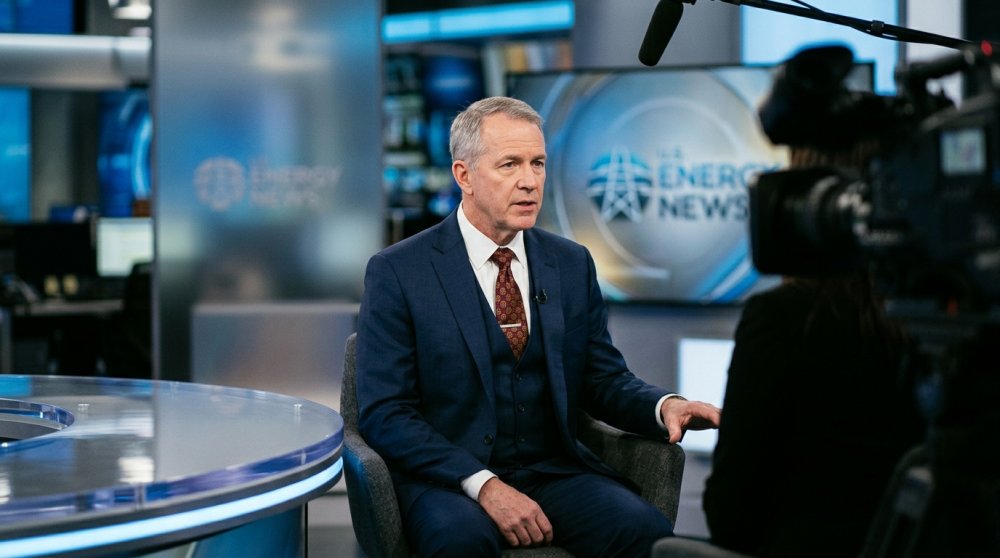
Wyatt’s Take
- Energy Secretary confirms U.S. military took out three Iranian oil tankers in escalating Middle East showdown
- Administration now scrambling to keep critical shipping lanes open as tensions explode in the Strait of Hormuz
- America’s energy security hanging in the balance while Biden’s team tries to manage fallout from direct confrontation with Tehran
Energy Secretary Chris Wright just gave Americans a sobering reality check about what’s really at stake in the Persian Gulf. After U.S. military forces destroyed three Iranian oil tankers, Wright sat down with CNN to explain how the administration plans to keep one of the world’s most critical shipping routes open for business.
The Strait of Hormuz isn’t just another waterway on a map. It’s the chokepoint through which a massive portion of global oil trade flows every single day. When Iran starts threatening that passage, working families in Michigan and Ohio feel it at the pump.
Wright emphasized that despite the military action and rising tensions with Iran, commercial traffic has continued moving through the strait. But his comments made clear the administration knows they’re walking a tightrope between protecting American interests and avoiding a wider regional war.
During his appearance on “State of the Union,” Wright laid out the long-term strategy for keeping these vital sea lanes secure. The problem is that strategy now has to account for an Iranian regime that’s been directly challenged by American military power.
The strike on the Iranian tankers represents a significant escalation. Tehran has spent years using threats to shipping as leverage against the West. Now that leverage has been met with overwhelming force, and nobody knows exactly how the mullahs will respond.
For everyday Americans, this isn’t some distant foreign policy debate. When the Strait of Hormuz gets threatened, gas prices spike. When military conflicts disrupt global energy markets, working families pay the price while elites barely notice the difference.
Wright’s message seemed designed to reassure markets and allies that the United States has both the capability and determination to keep critical energy supplies flowing. Whether that reassurance holds up depends entirely on what happens next in the Gulf.
The timing of this confrontation raises serious questions. With global energy markets already volatile and American consumers stretched thin by inflation, the last thing the economy needs is a major supply disruption from the Middle East.
Iran has long used the Strait of Hormuz as a pressure point, threatening to close it whenever Western sanctions bite too hard. The destruction of three oil tankers sends an unmistakable message that such threats will be met with immediate military consequences.
But messages are one thing. Managing the aftermath is something else entirely. The Biden administration now has to navigate the diplomatic and military fallout while keeping energy flowing to allies and preventing pump prices from destroying what’s left of consumer confidence.
Why It Matters
Washington’s foreign policy games always end up hitting regular Americans right in the wallet. When Middle East conflicts threaten oil shipping, it’s not the political class or wealthy donors who suffer—it’s working families who suddenly can’t afford to fill up their tanks or heat their homes. The Strait of Hormuz might be thousands of miles away, but what happens there shows up in your bank account faster than you can say “energy independence.”


-
 Entertainment3 years ago
Whoopi Goldberg’s “Wildly Inappropriate” Commentary Forces “The View” into Unscheduled Commercial Break
-

 Entertainment3 years ago
‘He’s A Pr*ck And F*cking Hates Republicans’: Megyn Kelly Goes Off on Don Lemon
-
 Featured3 years ago
US Advises Citizens to Leave This Country ASAP
-
 Featured3 years ago
Benghazi Hero: Hillary Clinton is “One of the Most Disgusting Humans on Earth”
-

 Latest News3 years ago
Nude Woman Wields Spiked Club in Daylight Venice Beach Brawl
-
 Featured3 years ago
Fox News Calls Security on Donald Trump Jr. at GOP Debate [Video]
-

 Entertainment3 years ago
Comedy Mourns Legend Richard Lewis: A Heartfelt Farewell
-
 Latest News3 years ago
Supreme Court Gift: Trump’s Trial Delayed, Election Interference Allegations Linger
Ubadatjob
September 7, 2026 at 6:19 am
Biden energy Chief? Are you daff? He was a prominent critic of Joe Biden’s energy and climate policies, frequently speaking out against green energy mandates and the Biden administration’s approach to climate regulations.
LC
September 7, 2026 at 6:53 am
Get up to date. Biden has been out of office for 2 years. Is Wyatt even a real person or just an ai bot?
JWK
September 7, 2026 at 11:53 am
Again, totally idiotic. First, labeling Darline Graham as a democrat in an earlier post, now this garbage. Again,
What are you drinking?
Donald Bowerman
September 7, 2026 at 12:30 pm
WTF is going on with you, Porter? Your repetitive references to Biden is solid proof you’ve lost your mind just like Biden did. Either that or you need to hire a new proofreader who can proofread!!!