Health
January 1, Gen Z Mental Health Crisis Explodes As Social Media Addiction Spirals

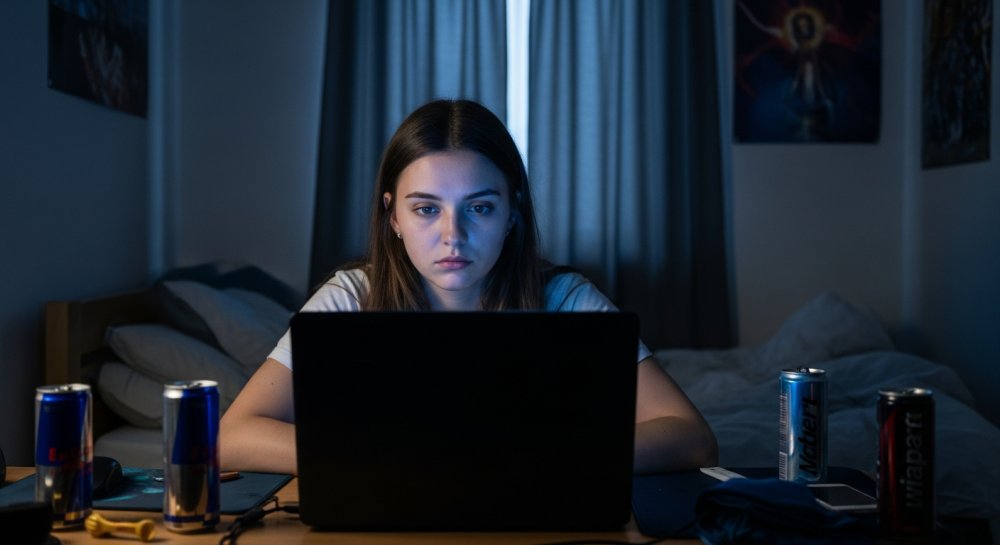
Wyatt’s Take
- Nearly half of young Americans are diagnosed with mental health conditions, with even more suspecting they have undiagnosed problems — a generation drowning in screens and struggling to function.
- Big Tech platforms have created an addiction machine that’s destroying the mental stability of an entire generation while parents and schools look the other way.
- The economic anxiety and digital dependency plaguing Gen Z points to a deeper breakdown in family structure and community values that once kept young people grounded.
A shocking new study reveals that America’s youngest generation is facing a mental health catastrophe unlike anything seen before. Technology addiction combined with economic uncertainty has created what researchers are calling the most mentally unstable generation in American history.
According to a Harmony Healthcare IT study published this week, approximately 46% of Gen Z Americans have been diagnosed with a mental health condition. Even more alarming, an additional 37% suspect they have an undiagnosed mental health issue as of May 2025.
That means over 80% of young Americans are either confirmed or suspected to be dealing with serious mental health problems. The numbers paint a devastating picture of a generation raised on smartphones and social media apps designed to keep them hooked.
The study points directly to social media use as a primary driver of this crisis. While previous generations dealt with challenges, none were subjected to the constant barrage of comparison, validation-seeking, and dopamine manipulation that defines today’s digital landscape.
Young people are spending hours每day scrolling through feeds that make them feel inadequate, anxious, and depressed. The platforms know exactly what they’re doing — their algorithms are built to maximize engagement, regardless of the mental health toll.
Combined with economic pressures that make traditional milestones like homeownership feel impossible, Gen Z is caught in a perfect storm. They’re the first generation expected to be worse off than their parents, and they’re processing that reality through screens that amplify every negative feeling.
The medication numbers tell their own story. With nearly half of young people diagnosed with mental health conditions, pharmaceutical companies are reaping massive profits from a generation that’s been failed by the institutions meant to protect them.
Parents who handed their kids iPads to keep them quiet are now watching those children struggle with anxiety and depression in their twenties. Schools that banned recess but allowed unlimited screen time created the conditions for this disaster.
The breakdown goes deeper than just technology. Gen Z grew up with weakened family structures, declining church attendance, and communities that exist more online than in real life. The support systems that once helped young people navigate challenges have crumbled.
What previous generations found in youth groups, neighborhood friendships, and family dinners, Gen Z is trying to find in comment sections and group chats. It’s not working, and the mental health statistics prove it.
The study’s timing is particularly troubling as Gen Z begins entering positions of responsibility in the workforce and society. A generation where over half suspects or knows they have mental health issues will shape America’s future in ways we’re only beginning to understand.
Tech executives in Silicon Valley built platforms that exploit human psychology for profit, and an entire generation is paying the price. The same companies now offering mental health apps created the problem they’re pretending to solve.
The economic anxiety fueling part of this crisis isn’t imaginary. Gen Z graduated into uncertain job markets, crushing student debt, and housing costs that make independence feel like a fantasy. But their response — retreating further into digital worlds — only makes the problems worse.
Wyatt Matters
This isn’t just about young people struggling — it’s about what we’ve allowed to happen to our kids. We handed them devices that Silicon Valley designed to be addictive, then acted surprised when they became addicted. We created an economy where working hard doesn’t guarantee stability, then wondered why they feel hopeless. Real solutions start with families reclaiming time from screens, communities rebuilding in-person connections, and holding Big Tech accountable for the damage they’ve done. Our children deserve better than a life medicated to cope with problems we could have prevented.


-
 Entertainment3 years ago
Whoopi Goldberg’s “Wildly Inappropriate” Commentary Forces “The View” into Unscheduled Commercial Break
-

 Entertainment3 years ago
‘He’s A Pr*ck And F*cking Hates Republicans’: Megyn Kelly Goes Off on Don Lemon
-

 Featured3 years ago
US Advises Citizens to Leave This Country ASAP
-
 Featured3 years ago
Benghazi Hero: Hillary Clinton is “One of the Most Disgusting Humans on Earth”
-

 Latest News3 years ago
Nude Woman Wields Spiked Club in Daylight Venice Beach Brawl
-
 Featured3 years ago
Fox News Calls Security on Donald Trump Jr. at GOP Debate [Video]
-

 Entertainment3 years ago
Comedy Mourns Legend Richard Lewis: A Heartfelt Farewell
-

 Latest News3 years ago
Supreme Court Gift: Trump’s Trial Delayed, Election Interference Allegations Linger
Jon
July 16, 2026 at 6:20 pm
Lack of parenting,no accountability, breakdown of family,confused indoctrinated young adults. The increase in the alphabet people which is now clearly a mentally unstable group. Blame big tech but its the parents and kids problem.
ProudGenX
July 16, 2026 at 7:26 pm
Not exactly news that this younger generation is mentally ill. They show it in their actions, how they vote, etc.
I am a GenX – we were not crybaby weaklings. Our parents told us, “walk it off” if we fell or hurt ourselves. We roamed all over town without checking in with parents as there weren’t any cell phones. We had babysitting jobs by junior high, had after school jobs in high school, and we had to make our own way to after school sports or clubs, no chauffering.
When we came home to an empty house, we fed ourselves and did our homework.
We were the last responsible generation and the last to have common sense. We will be the survivors when the dust settles – the Millenials and GenZ will be toast if the sh@^t goes down. Bye bye snowflakes.
Steve
July 16, 2026 at 9:32 pm
Actions speak louder than words. Just watching how they act tells you everything you need to know.
Dianne
July 18, 2026 at 1:06 pm
I’m 82 and have seen many changes. My childhood was spent during a time when most Moms were at home w their kids, most Dads were earning a living. I think 2 income homes, where kids are sent off to daycare, then placated w TV and later devices, became a “necessity” when people started thinking they needed a car for every driver, a TV in every room and larger houses. And sorry, but the “women’s movement” of the late 60’s & into the 70’s didn’t do the family any favors. It chided “trad” wives, told them they were oppressed & held back, and became anti-man. Now it appears more women are going to college, and men don’t at all mind being relegated to the back seat. Somehow we made it just fine w 1 car, 1 TV, 2 bedrooms w 1 bath, going to the library, reading books – and yes, sometimes being bored. I’m guilty too. Wanted to give my kids a good life. My husband made a good enough living for me to stay at home even w my Bachelor’s degree, but we had to have the big house in the glitzy neighborhood. My kids are doing
fine, but from the get-go they and their friends expect to start out in a large house w all the trimmings &
a nice car. My degree served me well, was able to earn a good living when marriage went south – but was happy to be a stay-at-home until my kids were out on their own.