Finance
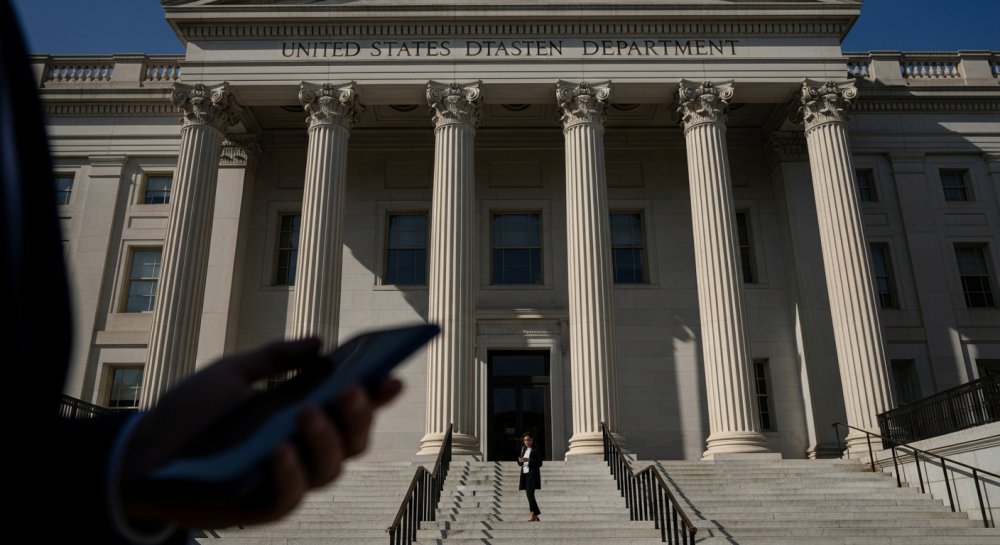
January 1, BOMBSHELL: Treasury Hands Banking Power to Trump Family Crypto Operation

Wyatt’s Take
- The Treasury Department just approved a national bank charter for World Liberty Financial — a crypto firm co-owned by President Trump’s family and longtime friend Steven Witkoff
- This approval allows the company to operate as a full-fledged bank, handling deposits and lending across all 50 states without needing permission from individual state regulators
- Critics are already screaming conflict of interest while supporters point out the approval followed standard legal procedures under existing federal banking law
The Office of the Comptroller of the Currency quietly granted a conditional banking charter to World Liberty Financial, a cryptocurrency venture that counts members of the Trump family among its ownership group. The decision transforms what was previously a digital asset company into a federally recognized national bank with sweeping powers.
World Liberty Financial is co-owned by Steven Witkoff, a billionaire real estate developer and close Trump confidant who has been a fixture in the president’s inner circle for decades. The Trump family’s stake in the venture has been publicly disclosed since the company’s formation in late 2024.
The banking charter authorization came through the standard OCC approval process, which evaluates applicants on capital adequacy, management experience, earnings prospects, and compliance frameworks. Treasury officials confirmed the charter was granted under the same statutory authority used for hundreds of other national bank applications over the past decade.
With the new charter, World Liberty Financial can accept deposits, make loans, and provide a full suite of banking services nationwide. The company no longer needs to secure state-by-state licensing or partner with existing banks to offer these financial products.
The approval comes as the Trump administration has made cryptocurrency adoption and blockchain innovation central pillars of its economic policy. President Trump has repeatedly called for America to lead the global digital currency revolution and has criticized excessive regulatory barriers that he argues have driven blockchain entrepreneurs overseas.
Congressional Democrats and ethics watchdogs immediately raised alarms about potential conflicts of interest. They argue that a sitting president’s family should not be receiving federal banking charters while he occupies the White House, regardless of whether standard procedures were followed.
“This is exactly the kind of ethical swamp we were warned about,” one Senate Democrat told reporters on background. “The appearance of impropriety is staggering, even if every box was technically checked.”
Defenders of the approval counter that the OCC operates independently within Treasury and that career civil servants — not political appointees — conducted the charter review. They also note that federal law does not prohibit family members of elected officials from engaging in lawful business activities or receiving government approvals for which they qualify.
World Liberty Financial has not yet issued a public statement about the charter approval. The company’s website describes its mission as “bringing digital asset banking to mainstream America” and emphasizes its commitment to regulatory compliance and consumer protection.
The charter includes standard supervisory conditions common to newly approved national banks, including capital maintenance requirements, regular examinations, and restrictions on certain activities until the bank demonstrates operational competency.
Industry analysts note that securing a national banking charter has become increasingly valuable as states impose conflicting and often contradictory regulations on cryptocurrency businesses. A federal charter provides legal clarity and a single regulatory framework that applies uniformly across the country.
The move also positions World Liberty Financial to compete directly with established financial institutions that have been slow to embrace cryptocurrency services. Traditional banks have largely avoided the digital asset space due to regulatory uncertainty and concerns about reputational risk.
Critics argue this is precisely why the approval raises red flags — it gives the Trump family business a competitive advantage in an emerging industry at the exact moment when federal policy is being shaped to favor cryptocurrency adoption.
The White House has not commented on the charter approval and referred all questions to the Treasury Department. Treasury officials confirmed the approval but declined to discuss the specifics of any individual application, citing confidentiality provisions in banking law.
Wyatt Matters
When Washington insiders can leverage family connections to score federal approvals for billion-dollar ventures, working Americans have every right to ask hard questions. This isn’t about left versus right — it’s about whether one set of rules applies to the powerful while the rest of us navigate a different system entirely. The approval may have followed the letter of the law, but it sure doesn’t pass the smell test for families struggling to get a fair shake from their own government.


-
 Entertainment3 years ago
Whoopi Goldberg’s “Wildly Inappropriate” Commentary Forces “The View” into Unscheduled Commercial Break
-

 Entertainment3 years ago
‘He’s A Pr*ck And F*cking Hates Republicans’: Megyn Kelly Goes Off on Don Lemon
-

 Featured3 years ago
US Advises Citizens to Leave This Country ASAP
-
 Featured3 years ago
Benghazi Hero: Hillary Clinton is “One of the Most Disgusting Humans on Earth”
-

 Latest News3 years ago
Nude Woman Wields Spiked Club in Daylight Venice Beach Brawl
-
 Featured3 years ago
Fox News Calls Security on Donald Trump Jr. at GOP Debate [Video]
-

 Entertainment3 years ago
Comedy Mourns Legend Richard Lewis: A Heartfelt Farewell
-

 Latest News3 years ago
Supreme Court Gift: Trump’s Trial Delayed, Election Interference Allegations Linger