Christianity
January 1, National Security Program Giving Young Patriots 5-Year Head Start Against China Threats

Wyatt’s Take
- Seton Hall’s National Security Graduate Fellowship puts American students to work on real threats from China and foreign influence long before most grads even land their first job.
- Graduates are landing at the NSA, CIA, and Pentagon with skills agencies say normally take five to ten years to learn on the job.
- The program focuses on practical research in AI, cyber defense, and countering hostile foreign influence instead of ivory-tower theory.
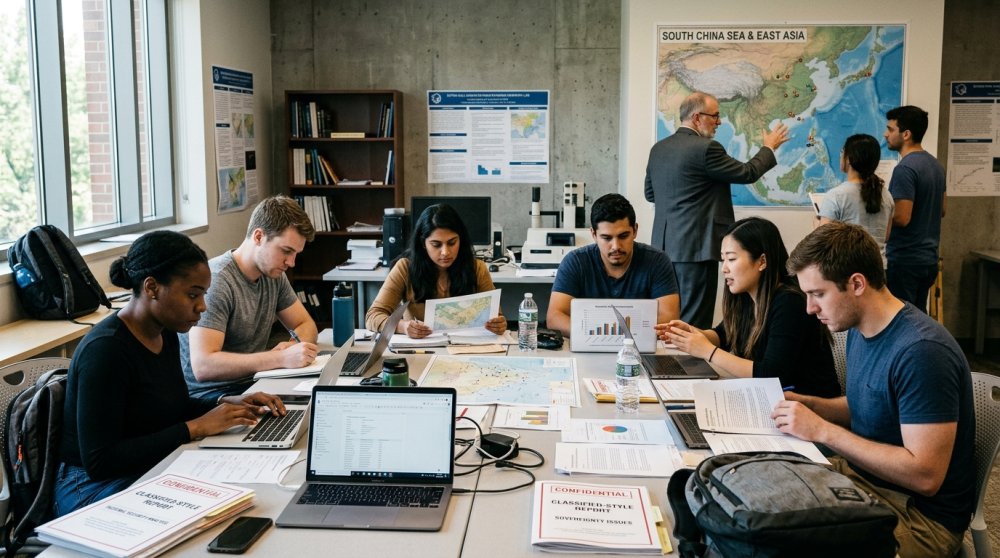
As America faces growing dangers from China, foreign meddling, and artificial intelligence, one university program is giving graduate students hands-on training that most new hires never get.
The National Security Graduate Fellowship at Seton Hall University pairs students directly with government agencies that need real research and analysis on pressing threats.
“My goal for my students is they’re ready day one if they get hired,” said program founder Mohamad Mirghahari.
Mirghahari spent fourteen years in key Pentagon roles supporting counterterrorism worldwide and later served as a presidential appointee at the Transportation Security Administration.
“Our program is unlike any other in the nation because our graduate students are actually tackling real-world national security challenges and issues from government agencies,” Mirghahari explained.
Most agencies are stretched thin and lack resources. Students fill that gap by delivering research on actual requirements in the national security field.
“Part of what makes our program so unique is that we address the real-world issues of today,” Mirghahari said. “History is very important, and you learn from history, but we also want to be the classes that can support the government in real time.”
Projects have covered China, India, Pakistan, and the South China Sea. One State Department study on re-engaging the Taliban remained relevant and was recirculated inside the government years later.
The fellowship also zeroes in on artificial intelligence, data analysis, and foreign influence operations that younger students often understand better than older staff.
“Artificial intelligence, data and all these different things impacting our national security play a major role in our work,” Mirghahari said.
AI has become a force multiplier. Students use tools like graph theory to sift massive datasets and pull out what matters for government clients.
“Some of the feedback we’ve received from agencies is, ‘Your students are well-equipped. They’re better than some of the people who have been here for five to 10 years,'” Mirghahari said.
Wyatt Matters
Hard-working families want young Americans trained to protect the country, not indoctrinated in classrooms. Programs that deliver real skills and real results deserve support.


-
 Entertainment3 years ago
Whoopi Goldberg’s “Wildly Inappropriate” Commentary Forces “The View” into Unscheduled Commercial Break
-

 Entertainment3 years ago
‘He’s A Pr*ck And F*cking Hates Republicans’: Megyn Kelly Goes Off on Don Lemon
-
 Featured3 years ago
US Advises Citizens to Leave This Country ASAP
-
 Featured3 years ago
Benghazi Hero: Hillary Clinton is “One of the Most Disgusting Humans on Earth”
-

 Latest News3 years ago
Nude Woman Wields Spiked Club in Daylight Venice Beach Brawl
-
 Featured3 years ago
Fox News Calls Security on Donald Trump Jr. at GOP Debate [Video]
-

 Entertainment3 years ago
Comedy Mourns Legend Richard Lewis: A Heartfelt Farewell
-

 Latest News3 years ago
Supreme Court Gift: Trump’s Trial Delayed, Election Interference Allegations Linger