Health
January 1, Pentagon Rolls Out Controversial Male Troop Screening Policy

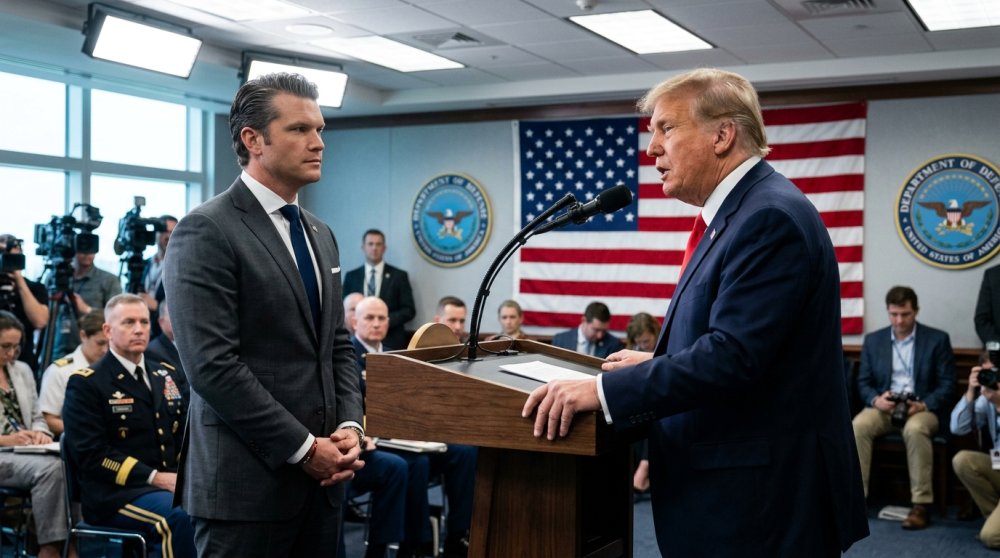
Wyatt’s Take
- Defense Secretary Pete Hegseth just implemented mandatory testosterone testing for all active-duty and reserve men 30 and older — a move aimed at keeping our warriors combat-ready but already drawing fire from medical establishment elites.
- The policy reflects a hard truth: natural testosterone decline starting around age 30 can undermine strength, resilience, and readiness — exactly what our enemies hope for and what Hegseth refuses to accept.
- Critics in white coats are already wringing their hands about ‘unnecessary treatment,’ but Hegseth’s focus is crystal clear: maximize warrior performance and protect long-term health, not coddle bureaucratic medical protocols.
The Pentagon issued clinical guidelines Wednesday establishing mandatory testosterone deficiency screening for all active-duty and reserve service members ages 30 and older. The directive takes effect immediately.
Defense Secretary Pete Hegseth first announced the screening program back in July, stating his goal was ensuring troops maintain optimal hormone levels for peak performance.
“Taking care of your long-term health means ensuring you remain strong, resilient and capable — not just for your next deployment, but for the rest of your life, so you can thrive long after you take off the uniform,” Hegseth said at the time.
Under the new policy, men 30 and older face mandatory testosterone blood tests. Younger servicemen will only be tested if they request it or if military clinicians spot warning signs.
Men diagnosed with low testosterone may undergo additional evaluation. If deemed clinically appropriate, they may be offered voluntary hormone replacement therapy.
Testosterone levels naturally peak during puberty, driving muscle development, body hair growth, and sperm production. Between ages 30 and 40, male testosterone levels begin a natural decline.
Women will not undergo routine testosterone blood tests under the guidelines. Instead, female troops face screening for fatigue and menstrual disruption that can signal hormonal dysregulation and conditions like low-energy availability and relative energy deficiency in sport.
The Pentagon established specific guidelines for when off-label testosterone prescriptions are appropriate for women — particularly postmenopausal servicewomen experiencing unusually low sexual desire.
Testosterone use for non-medical purposes remains strictly prohibited. Performance enhancement without a doctor’s prescription violates military law.
Pentagon officials say the standardized screening and treatment pathways for both men and women aim to boost military readiness by identifying and managing hormonal and energy-availability issues before they compromise combat effectiveness.
Some endocrinologists and medical experts have raised objections, claiming broad testosterone testing could trigger unnecessary or potentially harmful treatment. These critics argue there’s insufficient evidence that universal screening for low testosterone among service members would actually improve military readiness.
The Food and Drug Administration plans to convene a meeting later this month with medical experts to discuss testosterone’s medical use.
Wyatt Matters
While coastal medical experts debate protocols, Hegseth is focused on one thing: winning wars. Our troops face real enemies who won’t care about academic studies or FDA advisory panels. If hormone optimization gives our warriors an edge and protects their long-term health, that’s common sense — not controversy. America’s military exists to dominate, and every advantage matters when lives hang in the balance.


-
 Entertainment3 years ago
Whoopi Goldberg’s “Wildly Inappropriate” Commentary Forces “The View” into Unscheduled Commercial Break
-

 Entertainment3 years ago
‘He’s A Pr*ck And F*cking Hates Republicans’: Megyn Kelly Goes Off on Don Lemon
-

 Featured3 years ago
US Advises Citizens to Leave This Country ASAP
-
 Featured3 years ago
Benghazi Hero: Hillary Clinton is “One of the Most Disgusting Humans on Earth”
-

 Latest News3 years ago
Nude Woman Wields Spiked Club in Daylight Venice Beach Brawl
-
 Featured3 years ago
Fox News Calls Security on Donald Trump Jr. at GOP Debate [Video]
-

 Entertainment3 years ago
Comedy Mourns Legend Richard Lewis: A Heartfelt Farewell
-

 Latest News3 years ago
Supreme Court Gift: Trump’s Trial Delayed, Election Interference Allegations Linger
Henry E Blechl
September 3, 2026 at 8:22 am
He is War Secretary
Stephen Russell
September 3, 2026 at 8:30 am
Needed for troop readiness alone & I say Yes
John Harrison
September 3, 2026 at 11:45 am
Accolades to Pete for standing up for the troops, it is time to kick the nae sayers out and all their whinny butt friends. Support the troops.