Latest News
January 1, Solar Farm Sparks Bird Habitat Showdown in NY

Wyatt’s Take
New York wants more solar power, but regular folks and conservationists say it comes at a cost to wildlife. When green dreams clash with the land, Middle America wonders who truly benefits.
- New York’s solar buildout threatens grassland birds near Fort Edward.
- Conservationists denied a seat at the table fight for stronger land protections.
- Authorities claim public input matters, but locals feel shut out.
In 2019, New York set out to slash its emissions harder than almost any other state. That means switching off natural gas and ramping up solar and wind across the countryside. But some, like the Grassland Bird Trust, see state plans threatening more than a dozen bird species that need open fields to survive.
Conservationists say a solar project in Fort Edward will box in bird habitat. They aren’t trying to stop the project. Instead, they want the developer, Boralex, to conserve as much land as they build on—a one-to-one trade. Under the current formula, only 216 out of 567 acres get protected. “We are just asking for more mitigation, and we think the mitigation ratio does not provide a net conservation benefit,” said trust board member Kathy Roome.
Terry Griffin explained the birds need open land, not trees, to watch for predators. “You’re not leaving the birds in a better place,” she said, noting there may be only 50 short-eared owl pairs left in the state. The trust says it would cost the company $1.5 million to secure more habitat. So far, the group has been denied official status in the state approval process, limiting their say in final decisions.
When the solar plan was first made public, most details about affected bird species were hidden. The group only saw the truth after pushing for unredacted documents in September. Griffin said her group’s talks with the state have been formal and distant: “ORES has never come back and asked to discuss it, get an explanation or anything. It’s just through this formal document back and forth. So there’s really no engagement with ORES.”
The state held a public hearing, drawing a large crowd that backed more protection for the birds. But Roome wasn’t convinced decision-makers cared.
“They record every single comment, and they respond to it in writing. But it’s just theater,”
Roome said.
Officials say changes happen before projects break ground—and a spokesman claims not one solar project goes through unchanged. Still, the trust sees only minor fixes, like a few panels moved, leaving the bigger problem behind.
“They act like that was the total solution. It was just one point we made,”
Griffin added.
Folks watching from the heartland know that any plan meant to help future generations can’t brush off the people and creatures already here. When outsiders set the rules, everyday voices can fade into the background.
Wyatt Matters
These local fights are about more than birds—they’re about whether small-town voices matter when big plans hit the ground. Middle America knows the cost when distant elites overlook the values rooted in land, community, and honest work.

-
 Entertainment3 years ago
Whoopi Goldberg’s “Wildly Inappropriate” Commentary Forces “The View” into Unscheduled Commercial Break
-

 Entertainment2 years ago
‘He’s A Pr*ck And F*cking Hates Republicans’: Megyn Kelly Goes Off on Don Lemon
-
 Featured3 years ago
US Advises Citizens to Leave This Country ASAP
-
 Featured3 years ago
Benghazi Hero: Hillary Clinton is “One of the Most Disgusting Humans on Earth”
-
 Entertainment2 years ago
Comedy Mourns Legend Richard Lewis: A Heartfelt Farewell
-
 Latest News2 years ago
Nude Woman Wields Spiked Club in Daylight Venice Beach Brawl
-
 Featured3 years ago
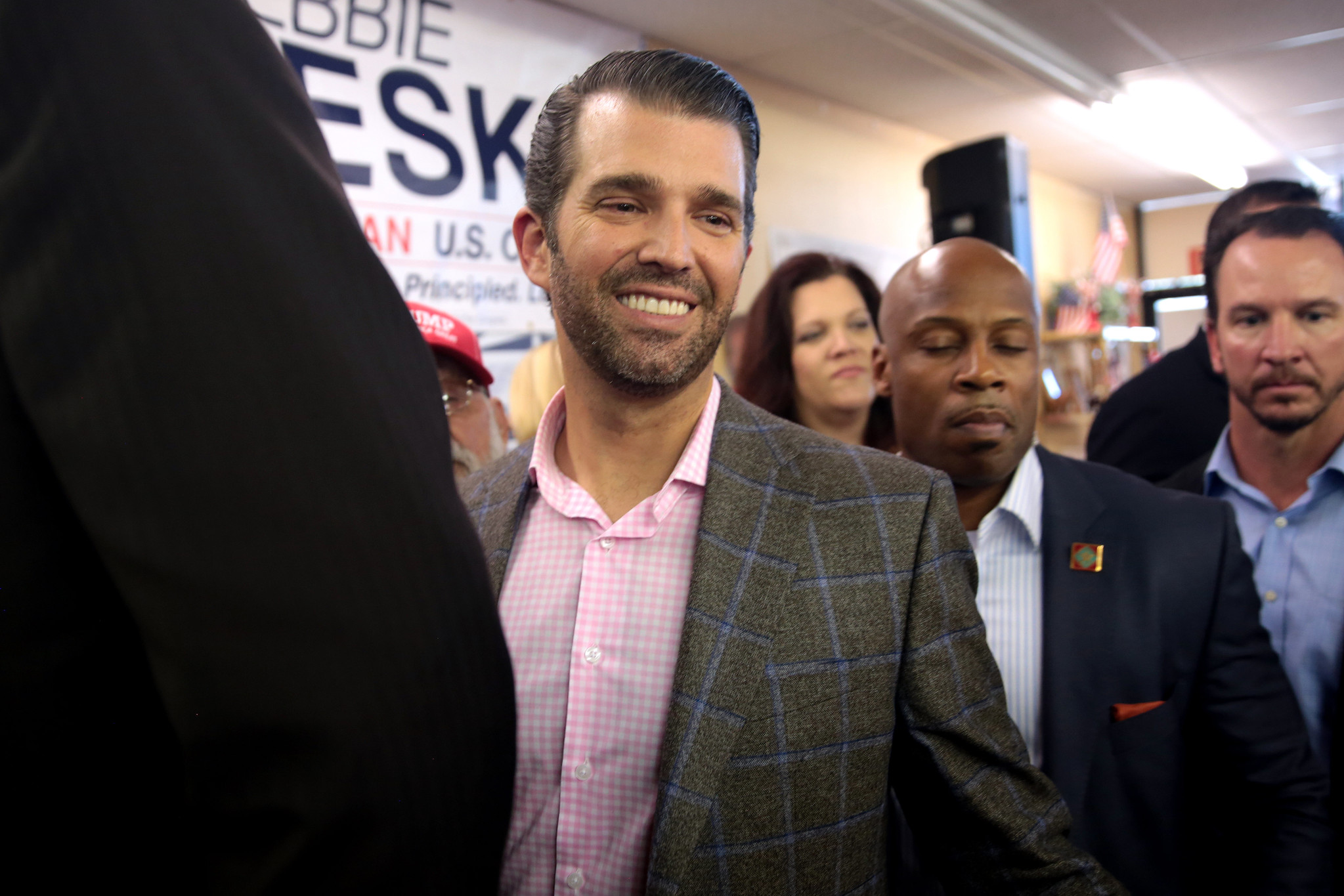
Fox News Calls Security on Donald Trump Jr. at GOP Debate [Video]
-
 Latest News2 years ago
Supreme Court Gift: Trump’s Trial Delayed, Election Interference Allegations Linger
Eileen
December 31, 2025 at 5:15 pm
Too often birds are decapitated in flight by those solar/windmills tis reducing the amount of birds that are alive on this Earth.
It is bad.