Breaking News
January 1, Vance Heads Into High-Stakes Iran Showdown as Middle East Powder Keg Reaches Boiling Point

Wyatt’s Take
- VP Vance just touched down in Switzerland for face-to-face talks with Iran while tensions in the Strait of Hormuz hit critical levels — this could go sideways fast.
- These are the first direct negotiations since the Islamabad deal, and with the world’s oil supply hanging in the balance, America can’t afford weak leadership at the table.
- Middle America is watching closely — any deal that appeases Tehran’s radical regime instead of protecting American interests will be a betrayal of everything Trump stood for.
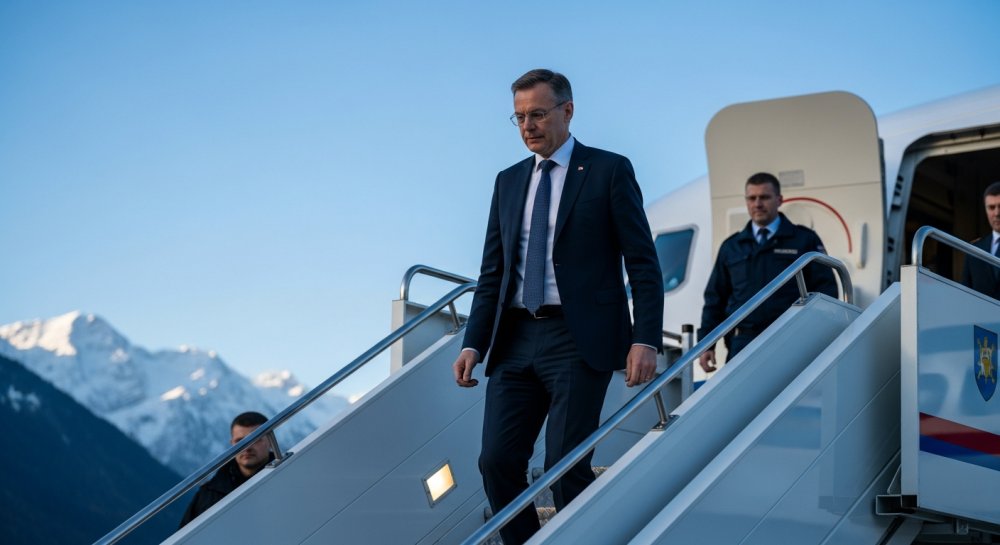
Vice President JD Vance arrived in Switzerland on Sunday morning for the first direct U.S.-Iran talks since the signing of the Islamabad Memorandum of Understanding. The high-stakes diplomatic mission comes as military tensions in the Strait of Hormuz threaten to explode into open conflict.
The narrow waterway, which handles roughly one-fifth of the world’s oil supply, has become a flashpoint as Iranian naval forces ratchet up aggressive maneuvers against commercial shipping. American families are already feeling the pain at the pump, and any disruption to oil flows through the strait could send gas prices skyrocketing even higher.
Vance’s trip marks a critical test for the administration’s Middle East strategy. The Islamabad Memorandum, signed earlier this year, was supposed to ease regional tensions and open diplomatic channels. Instead, Iran has only grown bolder in its provocations.
Conservative observers are divided on whether direct talks give legitimacy to a regime that continues to fund terrorism, develop nuclear capabilities, and threaten American allies. Many Trump supporters remember the disastrous Obama-era Iran deal and worry about history repeating itself.
The Vice President faces intense pressure to secure concrete commitments from Tehran on nuclear inspections, support for regional militant groups, and freedom of navigation through international waters. Anything less than ironclad guarantees will be seen as capitulation to a hostile power that has repeatedly proven it cannot be trusted.
Energy independence advocates point out that America’s own oil production policies directly impact our negotiating position. When the U.S. pumps more domestic energy, Middle Eastern regimes lose leverage. When we throttle production, we hand them power over American consumers.
The talks come at a moment when working families across America are struggling with inflation, high energy costs, and economic uncertainty. Any deal that fails to protect American interests or leads to higher prices at home will face fierce backlash from voters who are tired of putting foreign regimes ahead of Main Street.
Wyatt Matters
Switzerland might seem a world away from kitchen tables in Kentucky or Kansas, but what happens in those negotiating rooms will hit American wallets hard. Our leaders need to remember who sent them — hardworking Americans who can’t afford another bad deal that empowers our enemies while making life more expensive at home. Peace through strength isn’t just a slogan; it’s the only language hostile regimes understand.


-
 Entertainment3 years ago
Whoopi Goldberg’s “Wildly Inappropriate” Commentary Forces “The View” into Unscheduled Commercial Break
-

 Entertainment3 years ago
‘He’s A Pr*ck And F*cking Hates Republicans’: Megyn Kelly Goes Off on Don Lemon
-
 Featured3 years ago
US Advises Citizens to Leave This Country ASAP
-
 Featured3 years ago
Benghazi Hero: Hillary Clinton is “One of the Most Disgusting Humans on Earth”
-

 Latest News3 years ago
Nude Woman Wields Spiked Club in Daylight Venice Beach Brawl
-
 Featured3 years ago
Fox News Calls Security on Donald Trump Jr. at GOP Debate [Video]
-

 Entertainment3 years ago
Comedy Mourns Legend Richard Lewis: A Heartfelt Farewell
-
 Latest News3 years ago
Supreme Court Gift: Trump’s Trial Delayed, Election Interference Allegations Linger