Latest News
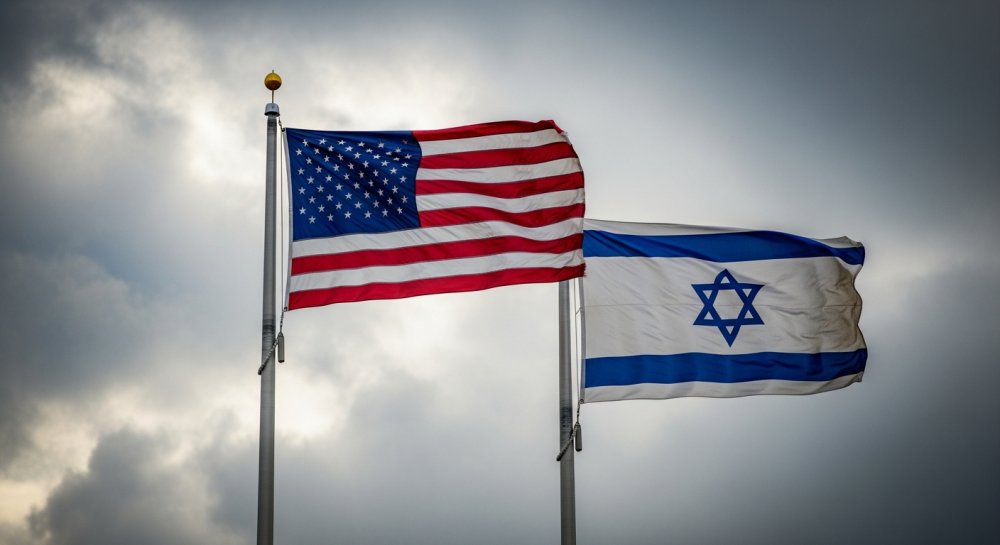
January 1, SEISMIC SHIFT: America’s Israel Alliance Entering Unprecedented New Era

Wyatt’s Take
- The once-unshakable bond between America and Israel is undergoing dramatic transformation as political pressures mount from both domestic and international forces
- Progressive Democrats are openly challenging decades of bipartisan support while traditional conservatives fight to maintain our strongest Middle East alliance
- This shift threatens to upend regional stability and could leave America’s closest democratic ally vulnerable to hostile neighbors
The alliance between the United States and Israel has stood as one of the most enduring partnerships in modern geopolitics. For over 75 years, American presidents from both parties have stood shoulder-to-shoulder with the Jewish state.
But storm clouds are gathering over this historic relationship. The political landscape in Washington is shifting, and with it, America’s commitment to our most reliable Middle East partner faces unprecedented scrutiny.
The changing dynamics reflect deeper divisions within American politics. Far-left Democrats have made attacking Israel a cornerstone of their foreign policy agenda. Meanwhile, traditional supporters find themselves defending basic principles that were once bipartisan consensus.
Regional threats haven’t diminished — they’ve intensified. Iran continues its march toward nuclear capability. Terrorist organizations still operate along Israel’s borders. Yet some American politicians now question whether standing with Israel serves our national interests.
The erosion of support didn’t happen overnight. Years of propaganda campaigns on college campuses, coordinated media narratives, and well-funded activist groups have chipped away at public opinion, particularly among younger Americans who lack historical context.
Economic considerations also factor into the equation. Some argue American aid to Israel should be redirected to domestic priorities. Others point to Israel’s thriving economy as evidence they no longer need financial assistance.
But the relationship extends far beyond dollars. Intelligence sharing between American and Israeli agencies has prevented countless terrorist attacks. Israeli military innovations have saved American lives on battlefields worldwide. The technological partnerships benefit both nations’ economies.
The strategic value cannot be overstated. Israel remains democracy’s only foothold in a region dominated by authoritarian regimes and radical ideologies. Their stability serves as a bulwark against forces that threaten American interests throughout the Middle East.
Religious and cultural connections run deep for millions of Americans. The Judeo-Christian values that shaped our nation’s founding create natural affinities that transcend political calculations.
Yet the changing relationship reflects broader questions about America’s role in the world. As isolationist impulses grow across the political spectrum, every foreign commitment faces renewed examination.
The consequences of severing or weakening this alliance would ripple far beyond the Middle East. Adversaries worldwide watch how America treats its friends. Abandoning Israel would signal unreliability to allies from Taiwan to Eastern Europe.
Proponents of recalibrating the relationship argue that criticism of Israeli government policies doesn’t equal abandonment of Israel itself. They claim healthy allies can disagree while maintaining core commitments.
Critics counter that such distinctions provide cover for those who ultimately seek to isolate and delegitimize the Jewish state. They point to how criticism of Israel often crosses into outright hostility.
The debate exposes fault lines that transcend traditional partisan divisions. Some progressive Democrats align with isolationist conservatives in questioning Israel support. Traditional hawks in both parties defend the alliance using different reasoning.
Public opinion polls show generational divides that worry Israel’s defenders. Younger Americans express less sympathy for Israel’s security challenges and more criticism of its government policies than their parents and grandparents.
The changing relationship occurs against a backdrop of shifting Middle East dynamics. New Abraham Accords have normalized relations between Israel and several Arab states, creating possibilities that seemed unthinkable just years ago.
These developments suggest the region itself is moving beyond old paradigms. As Arab nations recognize shared interests with Israel, particularly regarding Iran, the diplomatic landscape transforms.
America’s role in facilitating these breakthroughs demonstrates how our Israel relationship serves broader regional stability. The question becomes whether we build on this progress or retreat from engagement.
Domestic political pressures will continue shaping policy regardless of strategic considerations. As election cycles turn, candidates respond to vocal constituencies demanding position changes on Israel.
The path forward requires honest assessment of both nations’ interests without abandoning core commitments that have served America well. Change doesn’t necessarily mean abandonment, but it requires careful navigation.
Whatever emerges from this transition period will define American foreign policy for decades to come. The choices made today will echo through history and determine whether hard-won alliances endure or crumble.
Wyatt Matters
Our parents and grandparents understood something today’s politicians seem to have forgotten — when you stand by your friends in their darkest hours, they remember. Israel has been there when America needed allies who share our values and won’t stab us in the back. Tossing aside that friendship because it’s become politically inconvenient tells the world that American promises aren’t worth the paper they’re written on. That’s not the country our families built, and it’s not the message we should send to our kids.


-
 Entertainment3 years ago
Whoopi Goldberg’s “Wildly Inappropriate” Commentary Forces “The View” into Unscheduled Commercial Break
-

 Entertainment3 years ago
‘He’s A Pr*ck And F*cking Hates Republicans’: Megyn Kelly Goes Off on Don Lemon
-

 Featured3 years ago
US Advises Citizens to Leave This Country ASAP
-
 Featured3 years ago
Benghazi Hero: Hillary Clinton is “One of the Most Disgusting Humans on Earth”
-

 Latest News3 years ago
Nude Woman Wields Spiked Club in Daylight Venice Beach Brawl
-
 Featured3 years ago
Fox News Calls Security on Donald Trump Jr. at GOP Debate [Video]
-

 Entertainment3 years ago
Comedy Mourns Legend Richard Lewis: A Heartfelt Farewell
-

 Latest News3 years ago
Supreme Court Gift: Trump’s Trial Delayed, Election Interference Allegations Linger
Marty Jacobson
August 8, 2026 at 11:26 am
Thank you for your astute analysis regarding the present and future
State of affairs with Israel. I anticipate a continued draft by the US
away from Israel, as American views continue to change. I find it both maddening and predictable, as it aligns with scripture in regard to the future. In the end Israel stands alone and is saved only by the return of Christ.