Health
January 1, Scientists Drop SHOCKING Warning for Women Who Drink This Every Morning

Wyatt’s Take
- Australian researchers discovered that women drinking more than five cups of coffee daily show lower bone density — particularly dangerous for postmenopausal women at risk of fractures
- Tea drinkers showed the opposite effect with stronger, healthier bones, especially among women with obesity
- Moderate coffee consumption (2-3 cups) appears safe, but adding alcohol to heavy coffee habits compounds the bone damage
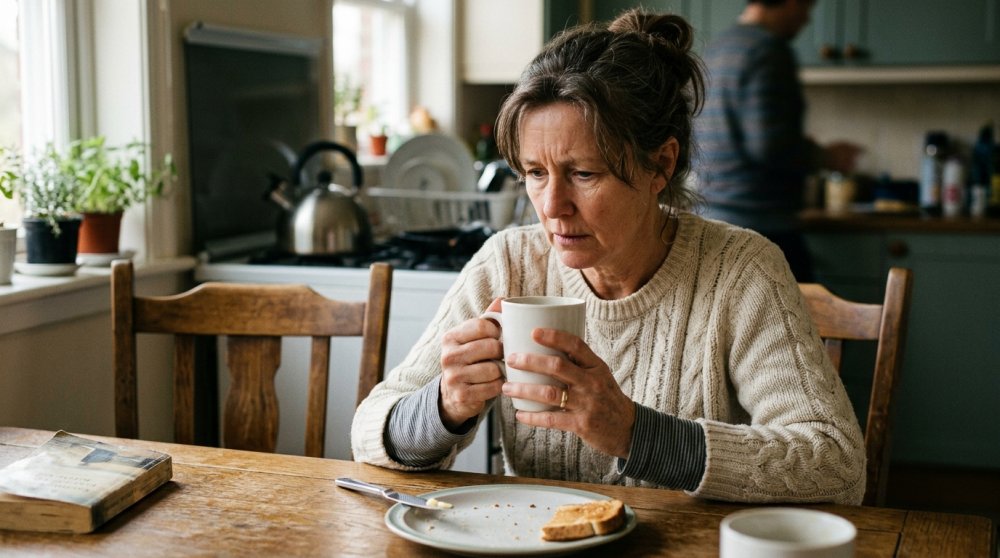
Women who rely on coffee to get through the day may be setting themselves up for brittle bones and fractures down the road, according to alarming new research from Flinders University. The study tracked nearly 10,000 older women over a decade and found a troubling pattern: heavy coffee drinkers suffered lower bone mineral density right where osteoporosis hits hardest.
The scientists measured bone density at the femoral neck and hip — the exact spots where devastating fractures typically occur in elderly women. What they found should make every coffee-loving woman reconsider her daily routine.
Women who downed more than five cups of coffee each day showed significantly weaker bones compared to moderate drinkers. Meanwhile, tea drinkers enjoyed the opposite benefit: stronger, denser bones that could better withstand the wear and tear of aging.
The difference comes down to what’s actually in your cup. Tea contains compounds called catechins that actively promote bone formation and slow down bone breakdown. Coffee’s high caffeine content, on the other hand, interferes with calcium absorption and disrupts bone metabolism at the cellular level.
The research revealed other concerning patterns too. Women who combined heavy coffee drinking with alcohol consumption faced even worse bone density at the femoral neck. The double-whammy of caffeine and alcohol created a perfect storm for bone deterioration.
Study co-author Ryan Liu offered some practical perspective:
“Our results don’t mean you need to give up coffee or start drinking tea by the gallon. But they do suggest that moderate tea consumption could be one simple way to support bone health, and that very high coffee intake might not be ideal, especially for women who drink alcohol.”
The stakes are higher than most people realize. About one in three women over 50 worldwide will suffer an osteoporosis-related fracture at some point. In America alone, the number of adults with dangerously low bone density is expected to jump by over 17 million by 2030.
Women face particularly severe risk because they start with lower bone mass than men and experience rapid bone loss after menopause. That makes every dietary choice during those vulnerable years critically important.
The researchers emphasized that osteoporosis represents a massive public health crisis affecting people of all ages, genders, and backgrounds. The condition leads to crushing healthcare costs and long-term disability when fractures occur.
Warning signs of osteoporosis include persistent back pain, gradual height loss, and a stooped posture. By the time these symptoms appear, significant bone damage has already occurred.
Liu pointed out that simple adjustments can offset some of coffee’s negative effects:
“Coffee’s caffeine content, by contrast, has been shown in laboratory studies to interfere with calcium absorption and bone metabolism, though these effects are small and can be offset by adding milk.”
Women concerned about bone health should focus on calcium-rich foods like dairy products, leafy greens, and canned fish with bones. Adequate vitamin D intake helps the body actually absorb that calcium instead of flushing it away.
Regular exercise — particularly weight-bearing and strength-training activities — builds stronger bones that can better withstand aging. Balance exercises reduce fall risk, which becomes increasingly important as bones weaken.
The good news? Moderate coffee consumption of two to three cups daily showed no negative effects on bone density. Women don’t need to quit their morning coffee completely, but those nursing a pot throughout the day should seriously consider cutting back.
Tea emerged as a clear winner in the bone health battle. The protective effects were especially pronounced among women with obesity, suggesting that switching from coffee to tea could deliver real benefits for vulnerable populations.
Wyatt Matters
This research cuts through the endless health advice noise and delivers a clear message: our daily habits have real consequences that show up years down the road. Women juggling work, family, and everything else deserve straight talk about protecting their long-term health. Making simple switches now — whether cutting back on that fourth or fifth cup or adding milk to offset caffeine’s effects — can mean the difference between independence and debilitating fractures in our later years. That’s not fear-mongering, that’s facts.


-
 Entertainment3 years ago
Whoopi Goldberg’s “Wildly Inappropriate” Commentary Forces “The View” into Unscheduled Commercial Break
-

 Entertainment3 years ago
‘He’s A Pr*ck And F*cking Hates Republicans’: Megyn Kelly Goes Off on Don Lemon
-

 Featured3 years ago
US Advises Citizens to Leave This Country ASAP
-
 Featured3 years ago
Benghazi Hero: Hillary Clinton is “One of the Most Disgusting Humans on Earth”
-

 Latest News3 years ago
Nude Woman Wields Spiked Club in Daylight Venice Beach Brawl
-
 Featured3 years ago
Fox News Calls Security on Donald Trump Jr. at GOP Debate [Video]
-

 Entertainment3 years ago
Comedy Mourns Legend Richard Lewis: A Heartfelt Farewell
-

 Latest News3 years ago
Supreme Court Gift: Trump’s Trial Delayed, Election Interference Allegations Linger