Finance
January 1, Trump Warns Tech Giants Over AI Data Centers Built Abroad

Wyatt’s Take
- President Trump is putting American workers and energy first by threatening huge taxes on companies that ship AI data centers overseas.
- China is racing for control of the future, and Trump is drawing a hard line to keep the jobs and power here at home.
- Local communities should demand real money from these companies instead of watching their land and lights get taken over for free.
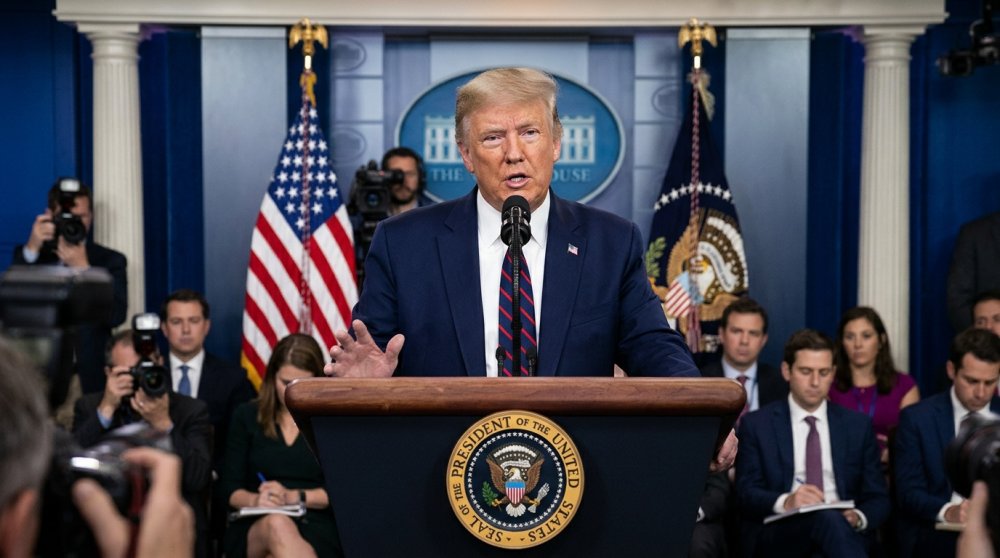
President Donald Trump threatened to impose a tremendous tax on American tech companies building artificial intelligence data centers overseas, saying he wants the infrastructure powering the AI boom exclusively built in the United States.
Trump spoke during a Friday White House press briefing after returning from his trip to Asia.
“We’re not going to allow companies to build data centers in other countries,” Trump said during a Friday White House press briefing following his trip to Asia. “If they do that, they can. But we’re going to put a tremendous tax on them.”
Trump offered few details about how the proposed penalty would work, what companies or projects it would cover, or when it could take effect.
“I don’t know if that’s a breaking story, but I haven’t even said that to my people,” Trump said. “But I’m telling them now, they’re here.”
The president framed the proposal as part of the competition with China over artificial intelligence, which the administration has officially rebranded Super Intelligence. Trump said Chinese President Xi Jinping had congratulated him on the United States’ progress in the field and added the two leaders agreed to establish joint guardrails for its development.
“We are leading. We’re leading, and they’re second. But whoever wins SI, wins,” Trump put bluntly.
Trump argued that allowing American companies to build data centers abroad would hand economic advantages to other countries, particularly China.
“China will take all of them, and we’re not allowing that to happen,” he said.
The president specifically mentioned a planned data center in Finland, saying the United States would not allow the project to move forward. He urged companies to build domestically instead, pointing to states such as Texas, California, and West Virginia as potential locations with the land and energy resources needed to support the facilities.
Trump also called on local governments to negotiate financial benefits from developers seeking to build in their communities, including payments to residents and bonuses for teachers. He cited examples of communities receiving $10,000 per resident and teachers receiving $50,000 in connection with data center proposals.
“You ought to take advantage of the data centers,” Trump said. “Make them pay you, make them pay your community, but don’t shut them off.”
The proposal presents a challenge for major American technology companies that have already built extensive data center networks overseas. Alphabet, Amazon, Microsoft, Meta, and Oracle have all invested in foreign facilities to serve customers in international markets. Building closer to customers can also help companies meet local requirements and provide cloud computing services more efficiently.
Trump’s remarks come as data center construction has become a growing source of political angst in the United States. The facilities require enormous amounts of electricity, and residents in some communities have opposed projects over concerns about energy costs, water consumption, noise, and their effects on nearby neighborhoods.
A CNBC survey conducted in October found that 64% of registered voters opposed an artificial intelligence data center being built within 10 miles of their homes, while just 13% supported it.
The administration has also moved to restrict foreign access to advanced American computing technology. The Commerce Department recently issued an interim rule requiring licenses for certain exports and transfers of advanced computing technology to overseas data centers that could provide computing power to entities in China and other designated countries. That measure focuses on preventing foreign access to sensitive American technology, rather than broadly prohibiting U.S. companies from constructing facilities overseas.
Wyatt Matters
Heartland families know that real strength comes from keeping the lights on here at home, not handing our future to foreign powers who want to own the next generation of American jobs.


-
 Entertainment3 years ago
Whoopi Goldberg’s “Wildly Inappropriate” Commentary Forces “The View” into Unscheduled Commercial Break
-

 Entertainment3 years ago
‘He’s A Pr*ck And F*cking Hates Republicans’: Megyn Kelly Goes Off on Don Lemon
-
 Featured3 years ago
US Advises Citizens to Leave This Country ASAP
-
 Featured3 years ago
Benghazi Hero: Hillary Clinton is “One of the Most Disgusting Humans on Earth”
-

 Latest News3 years ago
Nude Woman Wields Spiked Club in Daylight Venice Beach Brawl
-
 Featured3 years ago
Fox News Calls Security on Donald Trump Jr. at GOP Debate [Video]
-

 Entertainment3 years ago
Comedy Mourns Legend Richard Lewis: A Heartfelt Farewell
-
 Latest News3 years ago
Supreme Court Gift: Trump’s Trial Delayed, Election Interference Allegations Linger