Breaking News
January 1, SECOND Wave Hits Iran: U.S. Forces Strike Key Island Within Hours

Wyatt’s Take
- American forces hit Iran twice in 8 hours — second strike targeted Greater Tunb Island near the Strait of Hormuz
- This isn’t routine military posturing, it’s a clear message to Tehran that the days of empty threats are over
- The Strait of Hormuz controls a third of the world’s oil shipments — any Iranian move there hits American wallets at the pump
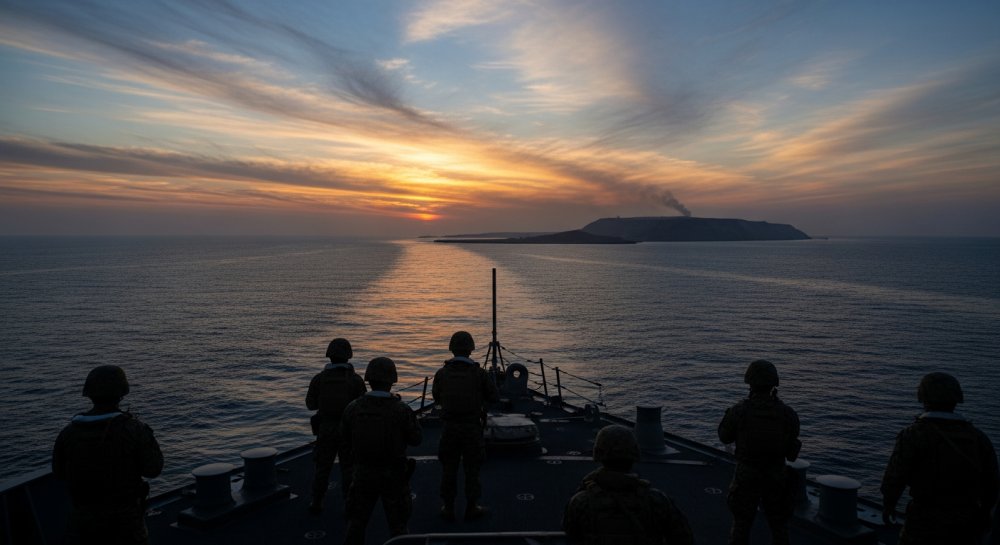
U.S. Central Command confirmed American forces launched a second wave of strikes against Iranian targets just eight hours after completing the first operation. This time, the military targeted Greater Tunb Island, positioned near the critical Strait of Hormuz.
The rapid succession of strikes marks a significant escalation in the region. Greater Tunb Island sits at a strategic chokepoint where roughly one-third of global oil shipments pass through daily.
U.S. Central Command launched a new wave of strikes against Iran at 6 a.m. ET, targeting military capabilities officials say have been used to attack commercial shipping in the Strait of Hormuz.
For more updates, watch OAN on OAN Live or click the link in our bio. https://t.co/wnb6ZD1fkS pic.twitter.com/93M5i03Yb4
— One America News (@OANN) July 15, 2026
UPDATE: U.S. forces say they have redirected two commercial vessels attempting to enter Iranian ports since restarting the naval blockade 17 hours ago.
The military says it remains vigilant and prepared to enforce full compliance.
For more updates, watch OAN on OAN Live or… https://t.co/AZHKSRQQao pic.twitter.com/7mLalA2oqV
— One America News (@OANN) July 15, 2026
Statement from Adm. Brad Cooper, CENTCOM commander: pic.twitter.com/epNbgbDaOP
— U.S. Central Command (@CENTCOM) July 14, 2026
Iran has controlled the island since 1971, despite ongoing territorial disputes with the United Arab Emirates. The location gives Tehran a forward position to monitor and potentially disrupt maritime traffic through the narrow waterway.
CENTCOM’s announcement provided limited operational details but confirmed both waves of strikes were completed successfully. Military officials have not disclosed the specific targets hit on the island or the extent of damage inflicted.
The timing between strikes — just eight hours — suggests either pre-planned sequential operations or a rapid response to new intelligence. Either scenario indicates heightened U.S. military readiness in the region.
Any disruption to shipping through the Strait of Hormuz directly impacts global energy markets. American consumers feel those disruptions immediately through rising fuel costs and broader inflation.
The strikes come amid ongoing tensions between Washington and Tehran over Iran’s nuclear program, regional proxy activities, and threats against American forces and allies in the Middle East.
Wyatt Matters
Working Americans don’t need another foreign policy disaster that sends gas prices through the roof and drains our military resources. But when Iran threatens the oil supply that keeps our trucks moving and our factories running, decisive action protects Main Street as much as it protects national security. Strength prevents bigger conflicts down the road — weakness invites them.


-
 Entertainment3 years ago
Whoopi Goldberg’s “Wildly Inappropriate” Commentary Forces “The View” into Unscheduled Commercial Break
-

 Entertainment3 years ago
‘He’s A Pr*ck And F*cking Hates Republicans’: Megyn Kelly Goes Off on Don Lemon
-
 Featured3 years ago
US Advises Citizens to Leave This Country ASAP
-
 Featured3 years ago
Benghazi Hero: Hillary Clinton is “One of the Most Disgusting Humans on Earth”
-

 Latest News3 years ago
Nude Woman Wields Spiked Club in Daylight Venice Beach Brawl
-
 Featured3 years ago
Fox News Calls Security on Donald Trump Jr. at GOP Debate [Video]
-

 Entertainment3 years ago
Comedy Mourns Legend Richard Lewis: A Heartfelt Farewell
-

 Latest News3 years ago
Supreme Court Gift: Trump’s Trial Delayed, Election Interference Allegations Linger