Breaking News
January 1, BOMBSHELL Navy Numbers Revealed as Iran Blockade Tightens

Wyatt’s Take
- American Naval forces are actively enforcing a full blockade on Iranian ports — stopping dozens of vessels attempting to breach security perimeters
- Three ships have already been disabled while trying to defy U.S. military authority in critical Middle Eastern waters
- This represents the most aggressive American naval posture against Iran in years — sending a clear message about who controls these strategic chokepoints
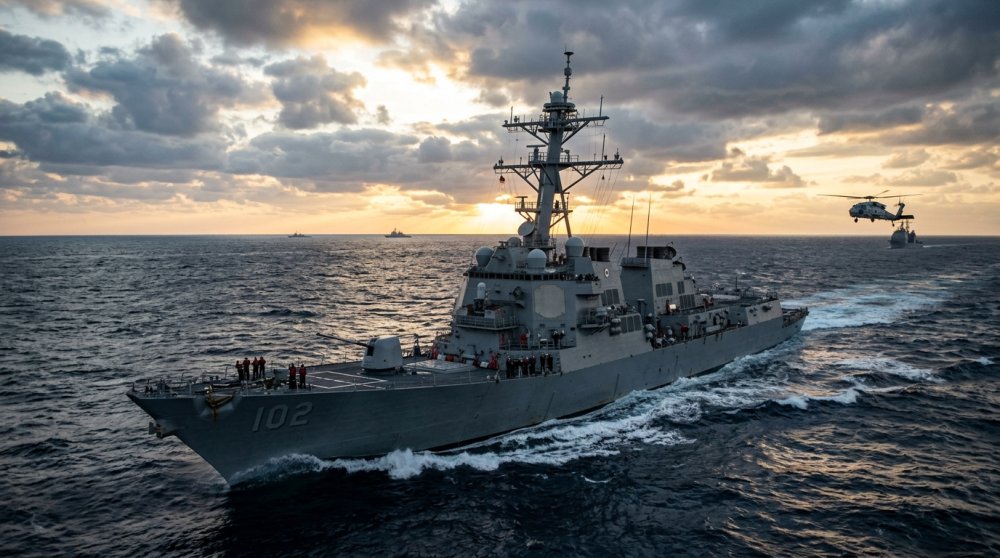
The U.S. military has redirected 67 vessels and disabled three others while enforcing the ongoing Naval blockade on Iranian ports, according to U.S. Central Command.
CENTCOM’s announcement confirms that American forces are actively stopping maritime traffic in and out of Iranian-controlled waters. The blockade represents a significant escalation in the standoff between Washington and Tehran.
U.S. Marine Corps MV-22B Osprey utility aircraft take off from the flight deck of USS Boxer (LHD 4) while the ship transits the Arabian Sea and continues to enforce the U.S. blockade against Iran. As of Aug. 20, U.S. forces have redirected 67 commercial vessels, disabled 3 and… pic.twitter.com/UAOmcLWExf
— U.S. Central Command (@CENTCOM) August 20, 2026
The three disabled vessels attempted to breach the blockade despite clear warnings from U.S. Naval personnel. Details about the specific methods used to disable the ships have not been released, but military officials confirm all actions were taken within established rules of engagement.
The 67 redirected vessels span commercial shipping, fishing operations, and suspected smuggling craft. Each was intercepted before reaching Iranian territorial waters and diverted to alternative routes or ports.
Naval assets involved in the blockade include destroyers, cruisers, and support vessels operating from strategic positions throughout the region. Air support from carrier-based aircraft provides additional surveillance and rapid response capabilities.
Iran has publicly condemned the blockade as an act of aggression and economic warfare. Tehran officials claim the action violates international maritime law, though the U.S. maintains the blockade serves legitimate national security interests.
The blockade’s economic impact on Iran remains difficult to measure, but analysts expect significant disruption to oil exports and imports of critical goods. Iranian ports handle the majority of the nation’s international trade.
Regional allies have offered mixed reactions to the American naval operation. Some Gulf states quietly support measures that pressure Iran, while others worry about potential military escalation that could destabilize shipping lanes vital to global energy markets.
Why It Matters
When American warships plant themselves between a hostile regime and the open ocean, working families back home can rest easier knowing our military isn’t playing games with national security. This blockade shows strength — the kind that keeps threats contained overseas instead of letting them fester until they reach our shores. That’s how you protect American interests without apology.


-
 Entertainment3 years ago
Whoopi Goldberg’s “Wildly Inappropriate” Commentary Forces “The View” into Unscheduled Commercial Break
-

 Entertainment3 years ago
‘He’s A Pr*ck And F*cking Hates Republicans’: Megyn Kelly Goes Off on Don Lemon
-
 Featured3 years ago
US Advises Citizens to Leave This Country ASAP
-
 Featured3 years ago
Benghazi Hero: Hillary Clinton is “One of the Most Disgusting Humans on Earth”
-

 Latest News3 years ago
Nude Woman Wields Spiked Club in Daylight Venice Beach Brawl
-
 Featured3 years ago
Fox News Calls Security on Donald Trump Jr. at GOP Debate [Video]
-

 Entertainment3 years ago
Comedy Mourns Legend Richard Lewis: A Heartfelt Farewell
-

 Latest News3 years ago
Supreme Court Gift: Trump’s Trial Delayed, Election Interference Allegations Linger
Jerry
August 21, 2026 at 11:15 am
Agree with the article except issues are already festering within the USA, known and for sure unknown!