Breaking News
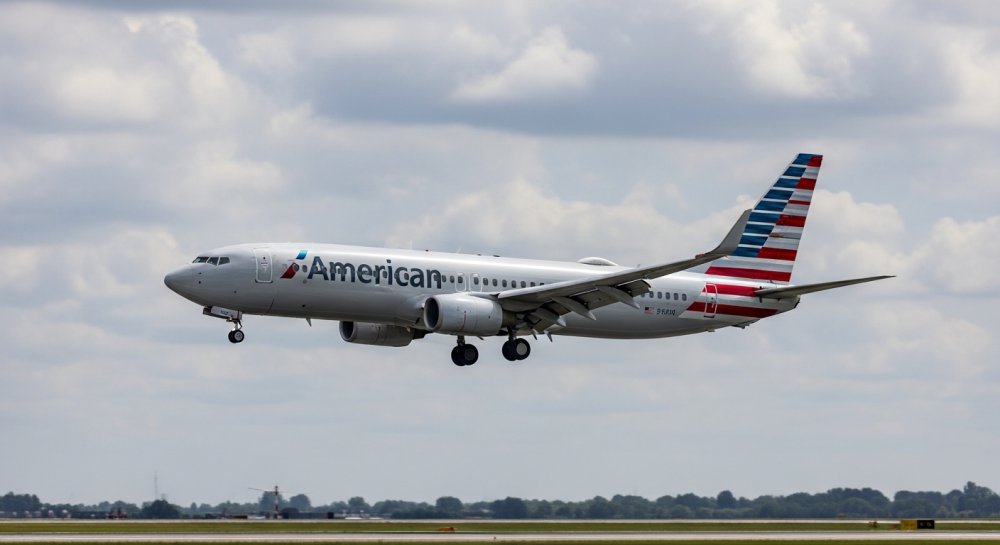
January 1, TERRIFYING Video Captures Fiery American Airlines Emergency After Catastrophic Bird Strike

Wyatt’s Take
- American Airlines Flight 1760 hit birds on takeoff from Myrtle Beach, forcing an emergency landing with flames shooting from the engine while 172 passengers braced for the worst
- Pilot issued a mayday call as passengers filmed terrifying video of fire bursting from the Boeing 737 — yet the airline denies there was any engine fire despite clear footage
- The FAA reports nearly 300,000 bird strikes since 1990, with most happening during takeoff and landing — a persistent safety threat to American air travelers that doesn’t get nearly enough attention
A frightening video shows flames erupting from an American Airlines Boeing 737 after the aircraft struck birds during takeoff Monday morning, forcing the pilot to make an emergency landing back at Myrtle Beach International Airport. The flight had 172 people onboard headed to Charlotte when disaster struck.
The pilot of American Airlines Flight 1760 didn’t mince words when calling for help.
“Mayday, mayday, mayday, we got an engine problem here,” the pilot said over air traffic control.
Passengers watched in horror as the situation unfolded. One person filming the incident captured audio of what was happening.
“The engine is backfiring like crazy,” a voice said in the passenger video, which clearly showed flames shooting from the aircraft. “I think she is on fire now.”
American Airlines issued a statement downplaying the severity of the incident, despite the video evidence passengers captured from their seats.
“American Airlines Flight 1760 returned to Myrtle Beach (MYR) shortly after departure due to a maintenance issue,” the airline told Fox News Digital. “The aircraft landed safely and has been taken out of service to be inspected by our maintenance team. Our team worked to get customers on their way to Charlotte (CLT) on a replacement aircraft. We thank our team members for their professionalism and our customers for their understanding.”
Here’s where things get interesting: American Airlines claimed there was no indication of fire in the engine and no reported injuries. Yet passengers filmed what appeared to be flames. The airline said it’s unclear where the flames originated — a puzzling statement given the clear footage.
The Federal Aviation Administration confirmed the bird strike and said it’s investigating the incident.
“American Airlines Flight 1760 returned safely to Myrtle Beach International Airport around 8:40 a.m. local time on Monday, Aug. 10, after the crew reported striking a bird while departing,” the FAA said. “The Boeing 737-800 was headed to Charlotte Douglas International Airport. The FAA will investigate.”
Air traffic control recordings revealed something disturbing: workers found a significant number of dead birds on the runway after the strike. They had to be removed before normal operations could resume.
Flight tracking data shows the plane took off at 8:00 a.m. Eastern Time and landed just 36 minutes later — a quick turnaround that likely saved lives.
Bird strikes are far more common than most Americans realize. The FAA’s own data shows about 292,000 reported wildlife strikes with civilian aircraft between 1990 and 2023. That’s an average of nearly 9,000 strikes per year hitting American planes.
The problem gets worse during certain times of year. About 54% of bird strikes happen between July and October when young birds leave their nests and fall migration occurs. Most strikes — about 62% — happen during daylight hours, with 30% at night and 8% at dawn or dusk.
The most dangerous zone is close to the ground. Around 70% of strikes happen between zero and 500 feet above ground level, according to FAA data. That’s exactly where Flight 1760 was when it hit the flock of birds — during the critical takeoff phase when pilots have the least room for error.
Why It Matters
American families deserve the truth when they board an airplane. Passengers filmed flames shooting from that engine, yet the airline claims there was no fire. That kind of corporate doublespeak erodes trust at a time when travelers are already fed up with delays, cancellations, and sky-high ticket prices. Bird strikes are a known danger to aviation safety, and airports need to do more to protect passengers from these preventable incidents. When you’re 500 feet in the air with your family and flames start shooting from the wing, you want straight answers — not corporate spin.


-
 Entertainment3 years ago
Whoopi Goldberg’s “Wildly Inappropriate” Commentary Forces “The View” into Unscheduled Commercial Break
-

 Entertainment3 years ago
‘He’s A Pr*ck And F*cking Hates Republicans’: Megyn Kelly Goes Off on Don Lemon
-
 Featured3 years ago
US Advises Citizens to Leave This Country ASAP
-
 Featured3 years ago
Benghazi Hero: Hillary Clinton is “One of the Most Disgusting Humans on Earth”
-

 Latest News3 years ago
Nude Woman Wields Spiked Club in Daylight Venice Beach Brawl
-
 Featured3 years ago
Fox News Calls Security on Donald Trump Jr. at GOP Debate [Video]
-

 Entertainment3 years ago
Comedy Mourns Legend Richard Lewis: A Heartfelt Farewell
-
 Latest News3 years ago
Supreme Court Gift: Trump’s Trial Delayed, Election Interference Allegations Linger
Eileen
August 11, 2026 at 7:19 pm
In all the flights I’ve taken since 1955 none has been interrupted by a bird strike. Sure, back then there were not yet any jets, just prop-jobs, but as far as I know, none of those encountered birds.
And, yes, I’ve flown on jets.