Latest News
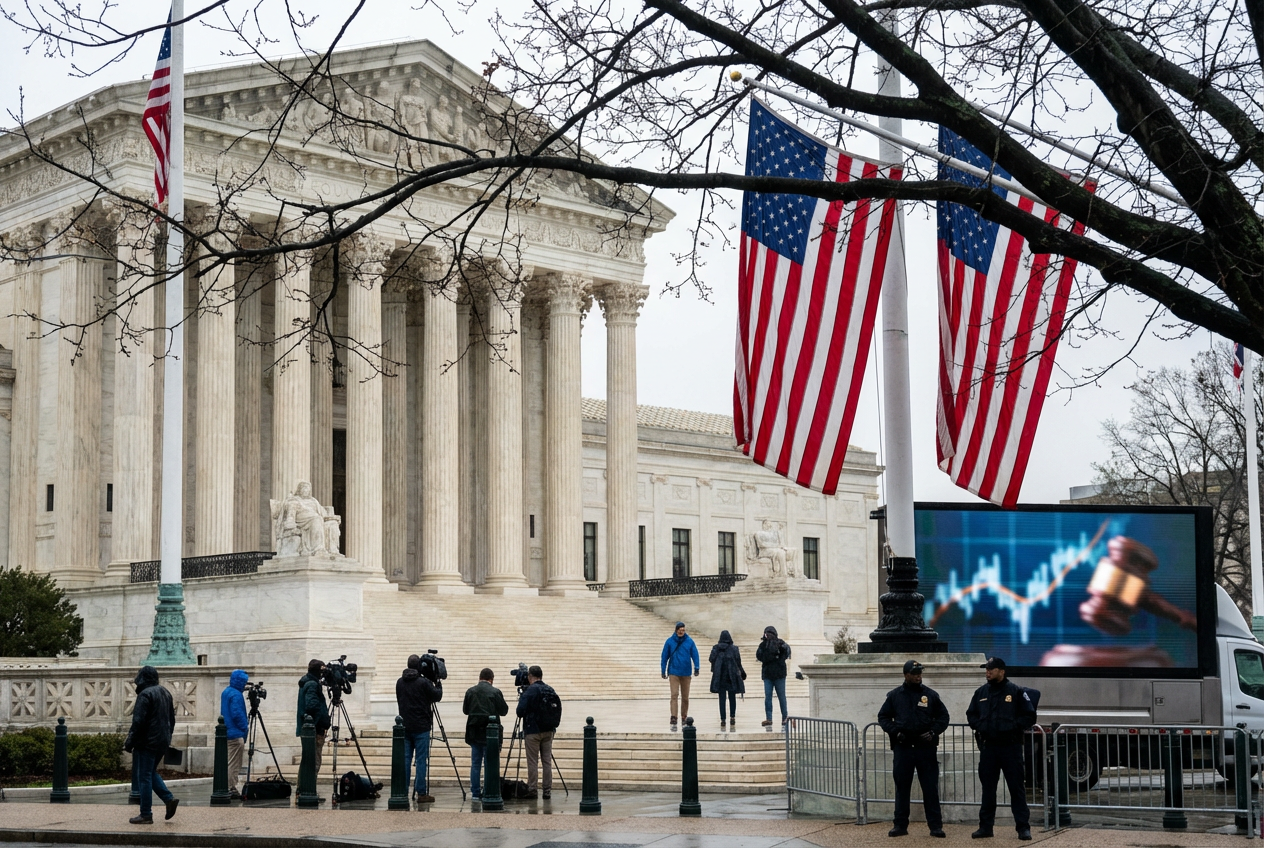
January 1, Supreme Court Considers Tough New Immigration Rules

Wyatt’s Take
- Major immigration cases may give Washington more power to close loopholes.
- The Supreme Court will rule on birthright citizenship, asylum, and due process for illegal immigrants.
- Outcomes could tighten the border and make deportation easier.
The nation’s top courts are set to rule on several cases that could shake up immigration laws. These decisions will set new standards for citizenship, how asylum requests at the border work, and what rights illegal immigrants have before removal.
In Barbara v. Trump, the Supreme Court will review President Trump’s order restricting automatic citizenship for children born to parents in the country illegally or just visiting. Lower courts blocked the order, but Trump’s team argues the historic laws never meant to cover the children of people without deep legal ties to America.
Noem v. Al Otro Lado tackles if people waiting just outside the border can claim asylum by showing up at a port of entry. Customs agents have been limiting how many can make claims each day. The Ninth Circuit says even being turned away at the gate should count as arriving; the administration says limits help control chaos when crowds surge.
Urias-Orellana v. Bondi asks if courts must accept immigration board rulings when someone claims persecution. The case involves a family from El Salvador whose claim was denied, and lower courts sided with the government. The Supreme Court will decide if judges should make their own calls or stick with what the board decides.
Make the Road New York v. Noem looks at the government’s speedy removal process, which lets immigration officers deport some illegal entrants without a full court hearing. Critics say this guts due process, while backers say it helps stop waves of illegal crossings as Congress has allowed.
D.V.D. v. DHS centers on sending illegal immigrants to third countries not listed in their original orders, without warning or a new hearing. A judge tried to block this, but the Supreme Court let removals continue while the case is decided. The administration claims no new hearing is needed beyond the first.
Castañon Nava v. DHS in Chicago considers how much power immigration agents have to arrest people without warrants if they think the person might flee. The court will also weigh limits on broad orders that could block enforcement nationwide.
The stakes are high—if these cases break for the administration, it could bring tighter borders and quicker deportations, with less delay from lawsuits. Many Americans are watching to see if the courts give the president more room to secure American jobs and communities.
Wyatt Matters
Middle America wants laws that put our security and families first. These rulings could bring fairness and strength back to a system too long bent out of shape by vague rules and activist judges. Folks here know a country without borders is no country at all.


-
 Entertainment3 years ago
Whoopi Goldberg’s “Wildly Inappropriate” Commentary Forces “The View” into Unscheduled Commercial Break
-

 Entertainment2 years ago
‘He’s A Pr*ck And F*cking Hates Republicans’: Megyn Kelly Goes Off on Don Lemon
-

 Featured3 years ago
US Advises Citizens to Leave This Country ASAP
-
 Featured3 years ago
Benghazi Hero: Hillary Clinton is “One of the Most Disgusting Humans on Earth”
-

 Entertainment2 years ago
Comedy Mourns Legend Richard Lewis: A Heartfelt Farewell
-

 Latest News2 years ago
Nude Woman Wields Spiked Club in Daylight Venice Beach Brawl
-
 Featured3 years ago
Fox News Calls Security on Donald Trump Jr. at GOP Debate [Video]
-
 Latest News2 years ago
Supreme Court Gift: Trump’s Trial Delayed, Election Interference Allegations Linger