Latest News
January 1, Arab States Warn Israel Risks Abraham Accords

Wyatt’s Take
- Arab leaders say Israel’s actions hurt peace talks and may risk the Abraham Accords.
- Israel defends its decisions, insisting it needs to strike Hamas to keep pressure on negotiations.
- Recent moves angered both President Trump and Middle Eastern allies, raising tensions further.
Several Arab countries are warning that Israel’s strikes on Hamas leaders in Qatar, and possible annexations in the West Bank, could end ongoing ceasefire talks and place Trump’s Abraham Accords at risk.
Israeli Prime Minister Benjamin Netanyahu says these actions are meant to pressure Hamas into making forced concessions and to get rid of the terrorist group from Gaza once and for all.
Dr. Majed Al Ansari, an advisor to Qatar’s Prime Minister, said the Israeli airstrike in Doha “undermined months-long ceasefire negotiations and was wasting lives.”
“Obviously now we know very clearly that Prime Minister Netanyahu was not negotiating in good faith. Now we know very clearly that he was leading us on, that he was wasting not only the time of the people who were working with this, the efforts, the tireless 24/7 work of everybody who was working in this, in Qatar, in Egypt and the United States,” Al Ansari said. “But, he was also wasting lives as we go along.”
The United Arab Emirates warned that Israel’s potential new annexations could break the Abraham Accords and halt any future peace in the Middle East.
Meanwhile, Israeli leaders are considering taking more land in the West Bank as further pressure on Hamas, while many Western governments call for a Palestinian state in those areas.
Last week’s Israeli airstrike on Hamas leadership in Doha angered Qatar’s leaders and even upset President Trump, who was not told in advance about the operation.
Qatar’s Emir called the attack “blatant, treacherous, and cowardly” and labeled it a “terrorist act.” Al Ansari said, “You know, the complete surprise here is that a great ally of the West—sometimes called the greatest ally of the United States—would attack another ally of the United States, a state that was designated by the US as a major non-NATO ally.”
“We were completely surprised by this attack, we had absolutely no warning. President Trump told His Highness very clearly that he was not consulted nor informed, nor coordinated with Israel in this attack. And immediately, as the US got wind of the attack, Qatar was informed. But that was, sadly, 10 minutes after the attacks took place,” he explained.
Al Ansari stated, “Let me tell you one thing, it will take more than the bullying tactics of Prime Minister Netanyahu to change the DNA of the Qatari people. We have always believed in peace.”
President Trump wasn’t pleased either, saying, “I was very unhappy about it, very unhappy about every aspect, and we got to get the hostages back, but I was very unhappy about the way that went down.”
Analysts point out that the push by European countries to recognize a Palestinian state had already slowed or blocked the ceasefire talks before the Israeli strike.
David May, a research analyst, said “France’s push for Palestinian statehood had already stalled ceasefire negotiations. The pressure directed exclusively at Israel convinced Hamas that the war’s continuation was in the terrorist group’s best interest, leading Hamas to introduce new demands and harden its position.”
Trump previously warned, “You’re rewarding Hamas if you do that. I don’t think they should be rewarded.”
May said the Israeli strike might have been aimed at removing the more hardline Hamas leaders or forcing negotiations to resume. “The strike may also have been intended to pressure Hamas leaders to reengage with ceasefire negotiations,” he said.
Israel says its main goal was to target Hamas leadership hiding in Doha.
Get the facts so you can decide what you think about these critical issues affecting our country and the heartland.
Wyatt Matters
Allies and security in the Middle East affect food, fuel, and future jobs here at home. The choices made overseas can impact peace and pocketbooks in America’s towns.


-
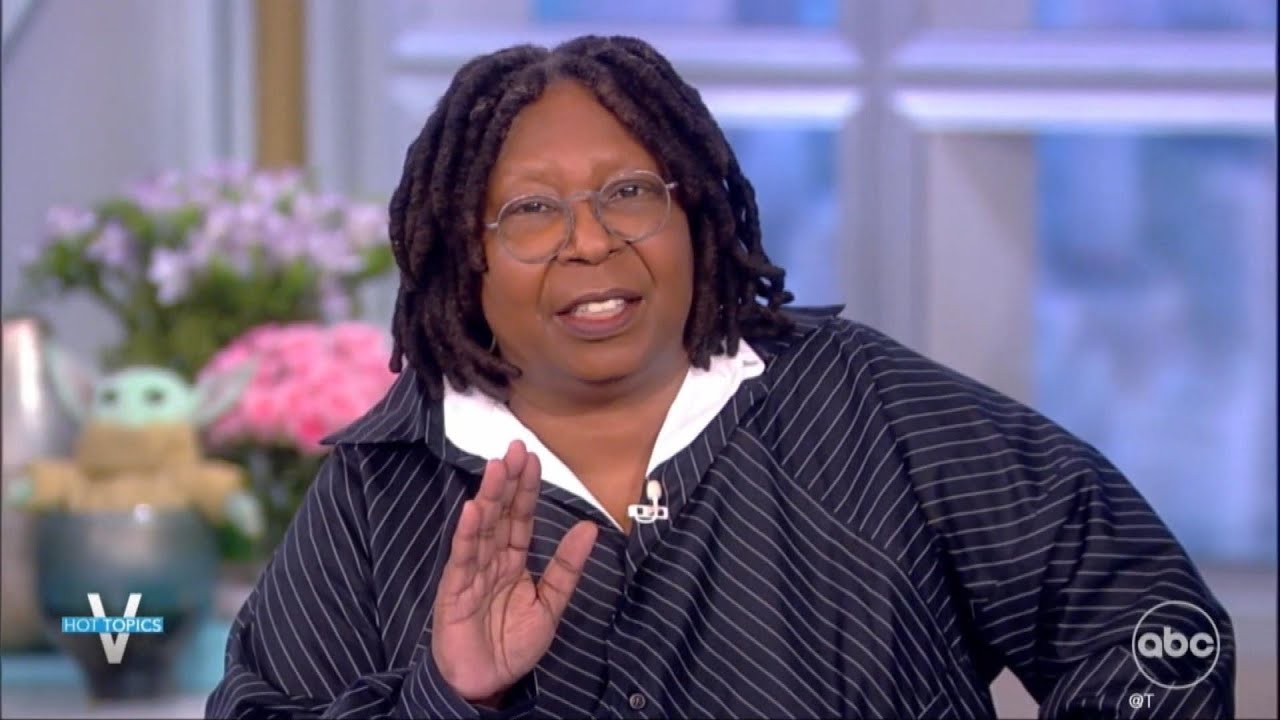 Entertainment3 years ago
Whoopi Goldberg’s “Wildly Inappropriate” Commentary Forces “The View” into Unscheduled Commercial Break
-

 Entertainment2 years ago
‘He’s A Pr*ck And F*cking Hates Republicans’: Megyn Kelly Goes Off on Don Lemon
-

 Featured3 years ago
US Advises Citizens to Leave This Country ASAP
-
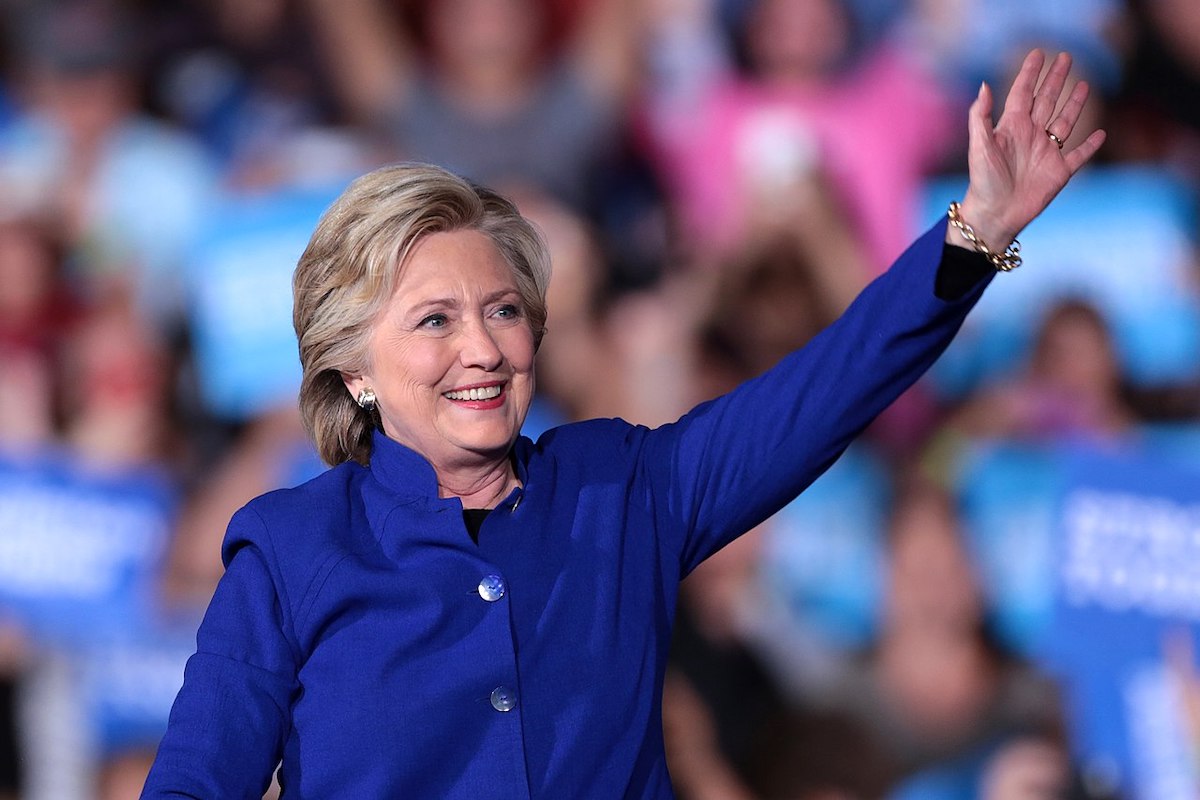 Featured2 years ago
Benghazi Hero: Hillary Clinton is “One of the Most Disgusting Humans on Earth”
-

 Entertainment2 years ago
Comedy Mourns Legend Richard Lewis: A Heartfelt Farewell
-

 Latest News2 years ago
Nude Woman Wields Spiked Club in Daylight Venice Beach Brawl
-
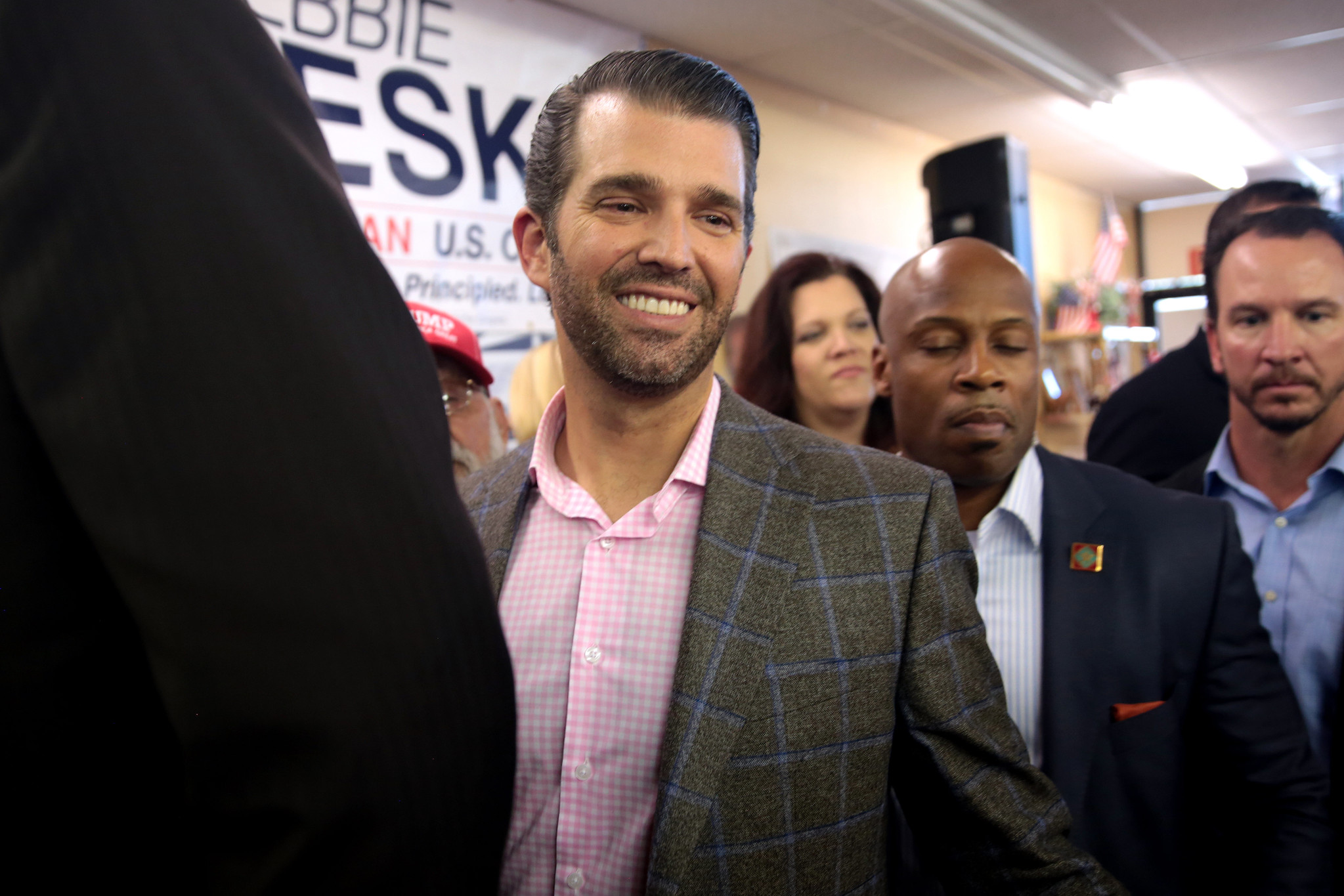 Featured3 years ago
Fox News Calls Security on Donald Trump Jr. at GOP Debate [Video]
-
 Latest News2 years ago
Supreme Court Gift: Trump’s Trial Delayed, Election Interference Allegations Linger