Latest News
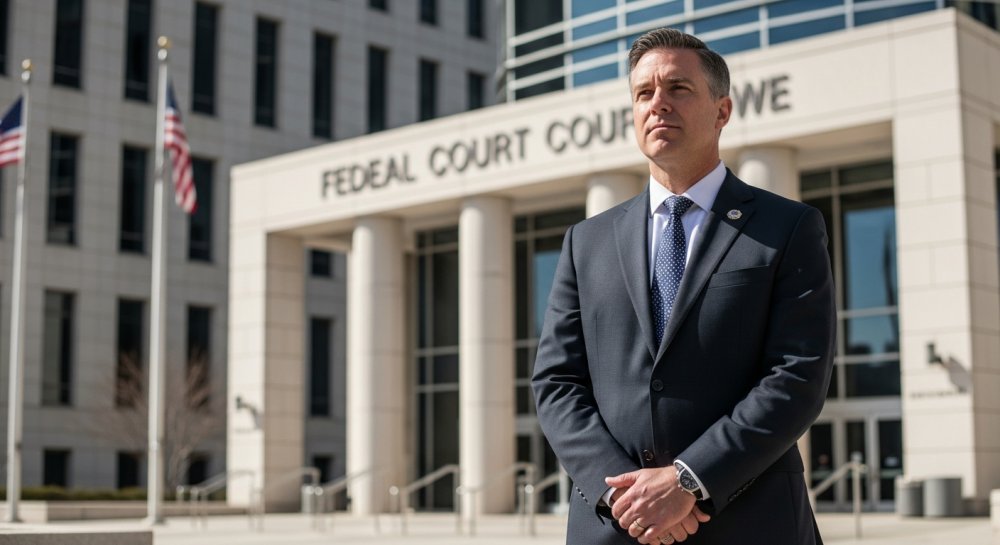
January 1, BOMBSHELL: Deep State Magazine’s Desperate Courtroom Gambit Against FBI Director Backfires

Wyatt’s Take
- Liberal Atlantic Magazine demands special court treatment while trying to hide their so-called anonymous sources who smeared America’s FBI Director
- The entire hit piece against Kash Patel relied on unnamed sources making wild allegations that the FBI forcefully denied
- This is exactly what happens when fake news gets caught — they lawyer up and claim they’re protecting ‘journalism’ while ordinary Americans can’t even get fair coverage
The attorney representing FBI Director Kash Patel isn’t backing down from The Atlantic’s latest legal maneuver. The liberal magazine filed paperwork Monday trying to throw out Patel’s massive defamation lawsuit while simultaneously demanding one-sided access to government documents.
Patel filed a $250 million suit back in April after The Atlantic published what he called a defamatory hit piece. The article made serious allegations about drinking and erratic behavior that Patel has flatly denied.
Now The Atlantic wants the case dismissed entirely. But here’s the kicker — they also want special permission to dig through government files while keeping their own anonymous sources hidden from scrutiny.
Jesse Binnall, Patel’s attorney, didn’t mince words about the magazine’s courtroom strategy.
“It’s truly incredible that The Atlantic wants one-sided discovery so that it can shield its own so-called ‘sources’ while being able to rummage through government documents unimpeded. This again shows that they are afraid of the truth and believe they are above the law.”
“We intend to prove them wrong and bring accountability to the fake news,” Binnall added.
The Atlantic’s filing claims Patel is trying to silence the press for publishing a “newsworthy article about his job performance.” They’re painting themselves as First Amendment heroes standing up to government intimidation.
The magazine’s editor-in-chief Jeffrey Goldberg doubled down on defending the controversial story.
“The Motion to Dismiss filed today by The Atlantic explains why this lawsuit is meritless and should be dismissed as a matter of law. We are simultaneously asking the court to permit us to begin seeking factual discovery from the FBI and the Department of Justice — including documents and depositions of key individuals — that is appropriate given the allegations in this matter.”
Goldberg continued his defense, claiming this is about protecting journalism in the public interest.
“If Director Patel did not want to face this process, he should not have filed this suit. These legal filings are consistent with the promise I made to our staff and to our readers in May: we will defend The Atlantic and its staff vigorously; we will not be intimidated by acts of politically motivated retaliation; we will continue to cover the FBI professionally, fairly, and thoroughly; and we will continue to practice journalism in the public interest.”
The FBI’s rapid response team didn’t hold back in their response to The Atlantic’s legal games. They issued a statement slamming the magazine for “propagating false narratives because it has zero interest in any form of real journalism” and called it “the leading slop rag of the day.”
The original Atlantic story made explosive claims about Patel’s conduct as FBI Director. Reporter Sarah Fitzpatrick cited more than two dozen unnamed sources alleging everything from excessive drinking to unexplained absences and erratic behavior.
One allegation claimed Patel had a meltdown over a computer login issue, believing he was being fired by President Donald Trump. The story cited nine unnamed sources for that single incident alone.
“But Patel, according to multiple current officials, as well as former officials who have stayed close to him, is deeply concerned that his job is in jeopardy. He has good reasons to think so — including some having to do with what witnesses described to me as bouts of excessive drinking,” Fitzpatrick wrote.
The report painted a picture of dysfunction at the top of America’s premier law enforcement agency.
“The IT-lockout episode is emblematic of Patel’s tumultuous tenure as director of the FBI: He is erratic, suspicious of others, and prone to jumping to conclusions before he has necessary evidence, according to the more than two dozen people I interviewed about Patel’s conduct, including current and former FBI officials, staff at law-enforcement and intelligence agencies, hospitality-industry workers, members of Congress, political operatives, lobbyists, and former advisers,” Fitzpatrick wrote.
The article alleged a pattern of drinking to the point of obvious intoxication at venues in Washington, D.C., and Las Vegas. It claimed some meetings had to be scheduled later in the day because of alcohol-fueled nights.
“On multiple occasions in the past year, members of his security detail had difficulty waking Patel because he was seemingly intoxicated, according to information supplied to Justice Department and White House officials,” the report alleged.
The story even suggested Patel’s social media posts containing inaccurate information about law enforcement investigations might be connected to drinking.
The FBI pushed back hard against the entire report. Multiple Trump administration officials rallied behind Patel, including White House press secretary Karoline Leavitt and acting Attorney General Todd Blanche.
Patel’s response to The Atlantic before they published was direct and unambiguous.
“Print it, all false, I’ll see you in court — bring your checkbook,” Patel told The Atlantic in a statement included in the report.
Wyatt Matters
This case represents everything wrong with modern media. A major magazine publishes career-ending allegations based entirely on anonymous sources, then cries about press freedom when they get sued. Working Americans know exactly what would happen if they spread rumors about their boss at work — they’d be fired and possibly sued themselves. But elite media outlets think different rules apply to them. The truth matters, and if these publications can’t prove their claims in court, they should face the same consequences anyone else would.


-
 Entertainment3 years ago
Whoopi Goldberg’s “Wildly Inappropriate” Commentary Forces “The View” into Unscheduled Commercial Break
-

 Entertainment3 years ago
‘He’s A Pr*ck And F*cking Hates Republicans’: Megyn Kelly Goes Off on Don Lemon
-

 Featured3 years ago
US Advises Citizens to Leave This Country ASAP
-
 Featured3 years ago
Benghazi Hero: Hillary Clinton is “One of the Most Disgusting Humans on Earth”
-

 Latest News2 years ago
Nude Woman Wields Spiked Club in Daylight Venice Beach Brawl
-

 Entertainment2 years ago
Comedy Mourns Legend Richard Lewis: A Heartfelt Farewell
-
 Featured3 years ago
Fox News Calls Security on Donald Trump Jr. at GOP Debate [Video]
-

 Latest News2 years ago
Supreme Court Gift: Trump’s Trial Delayed, Election Interference Allegations Linger
Jon
July 28, 2026 at 6:25 pm
Shut this anti American hack of a magazine the I r as credible as the national enquirer.